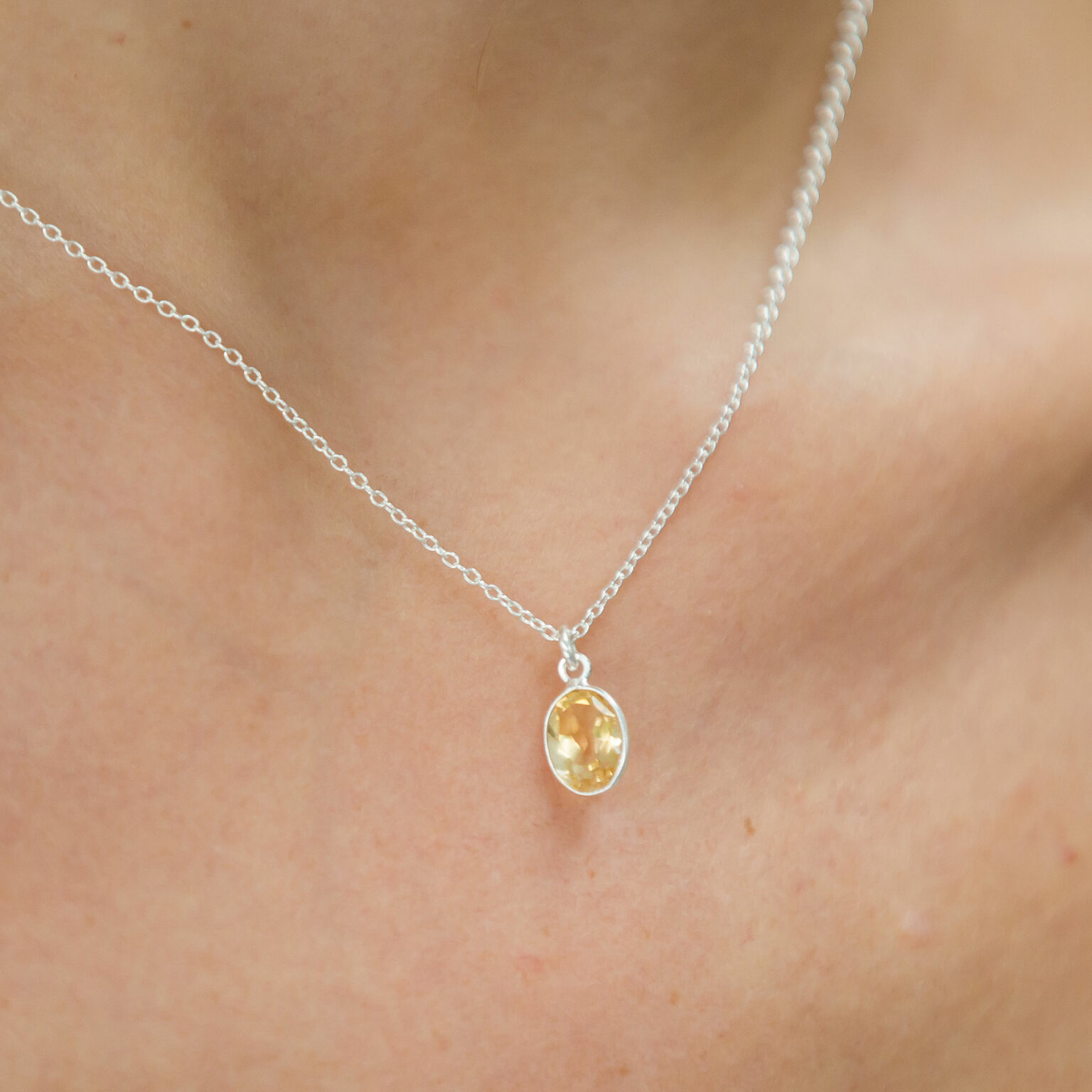
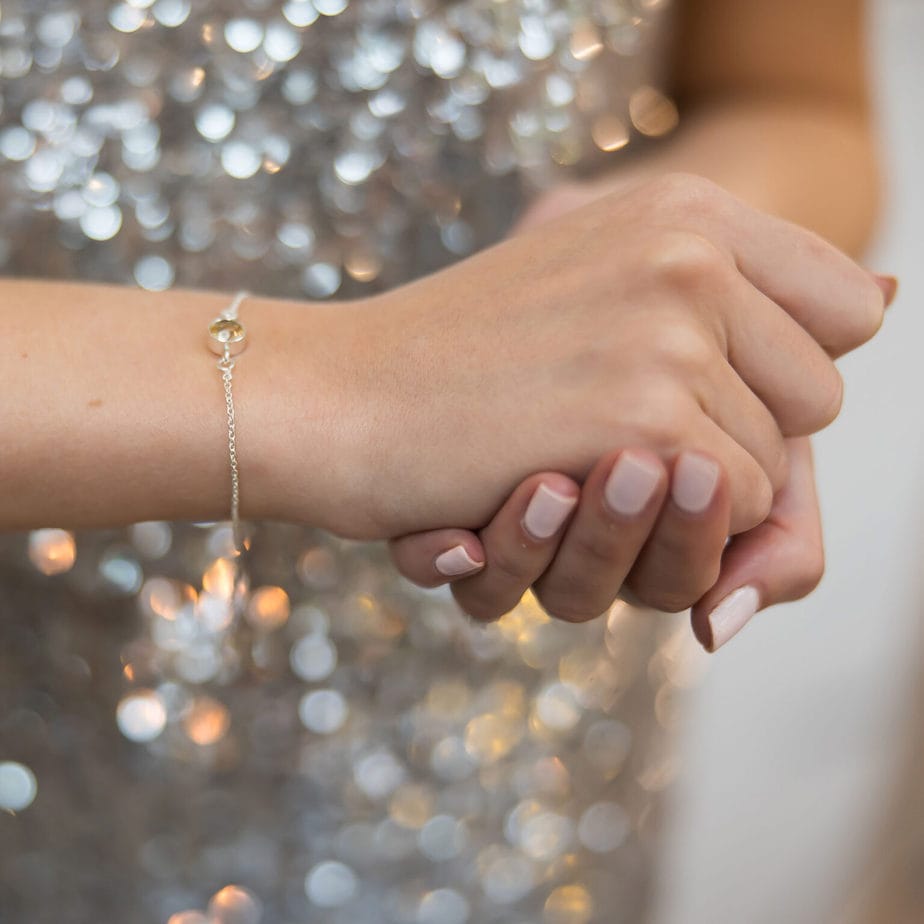
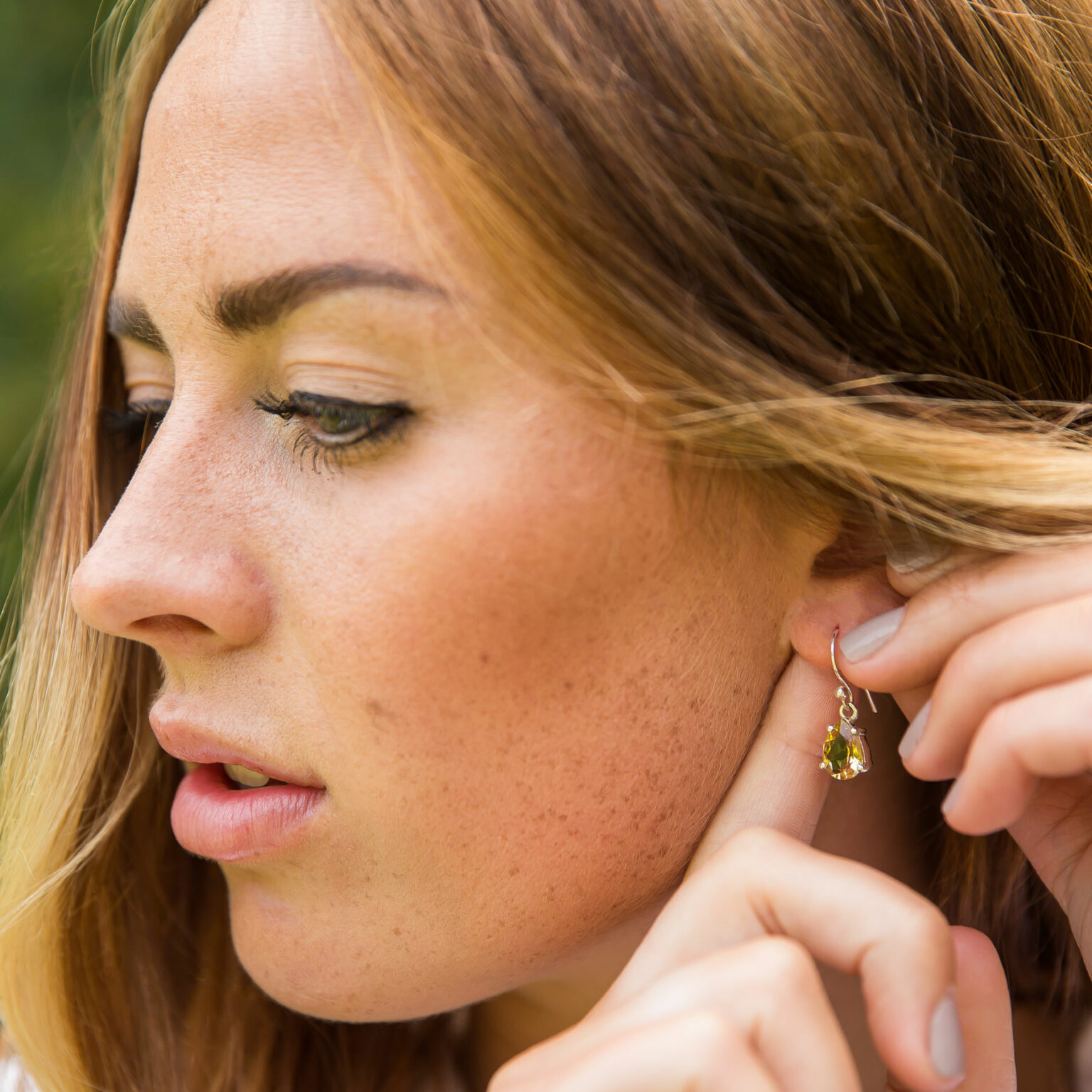
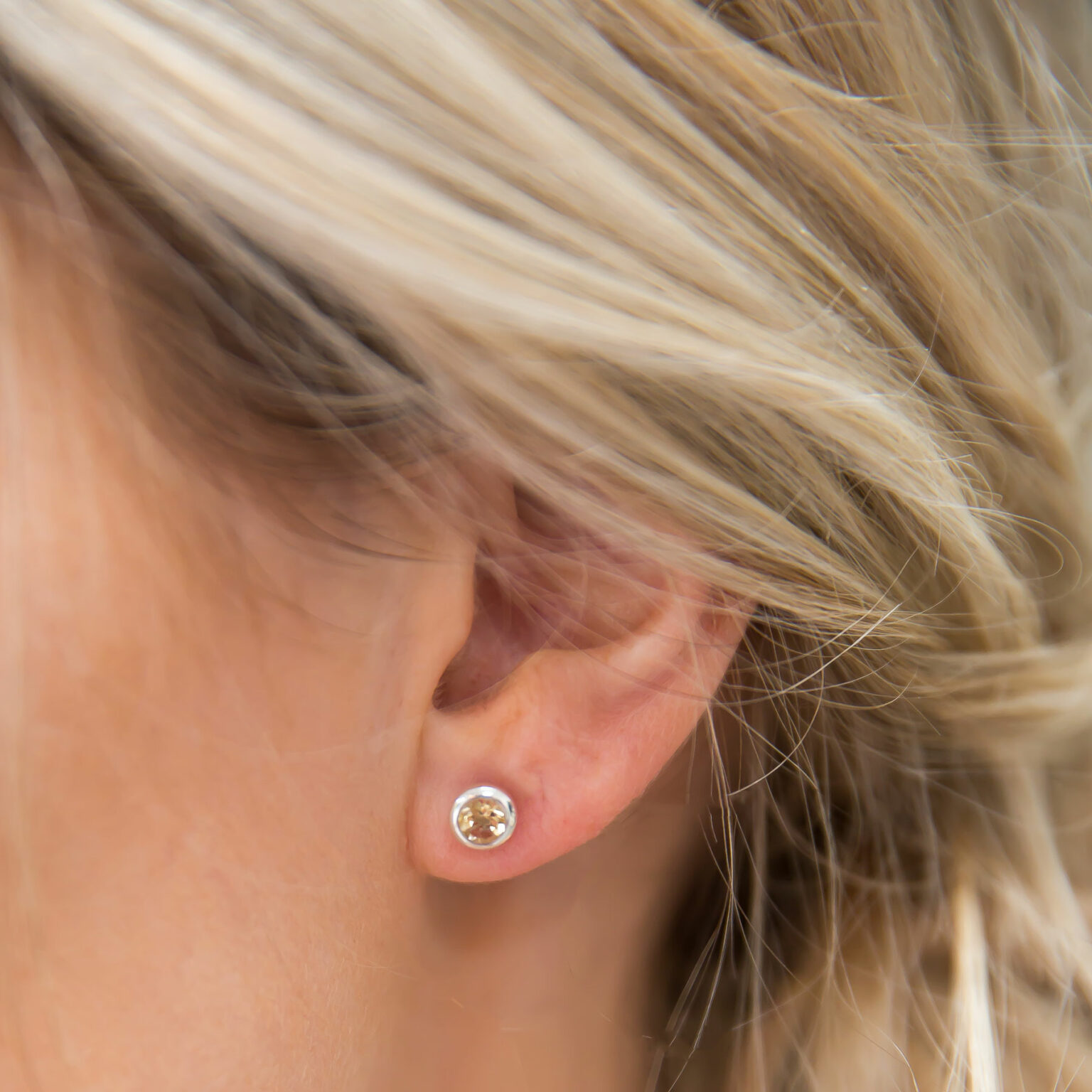
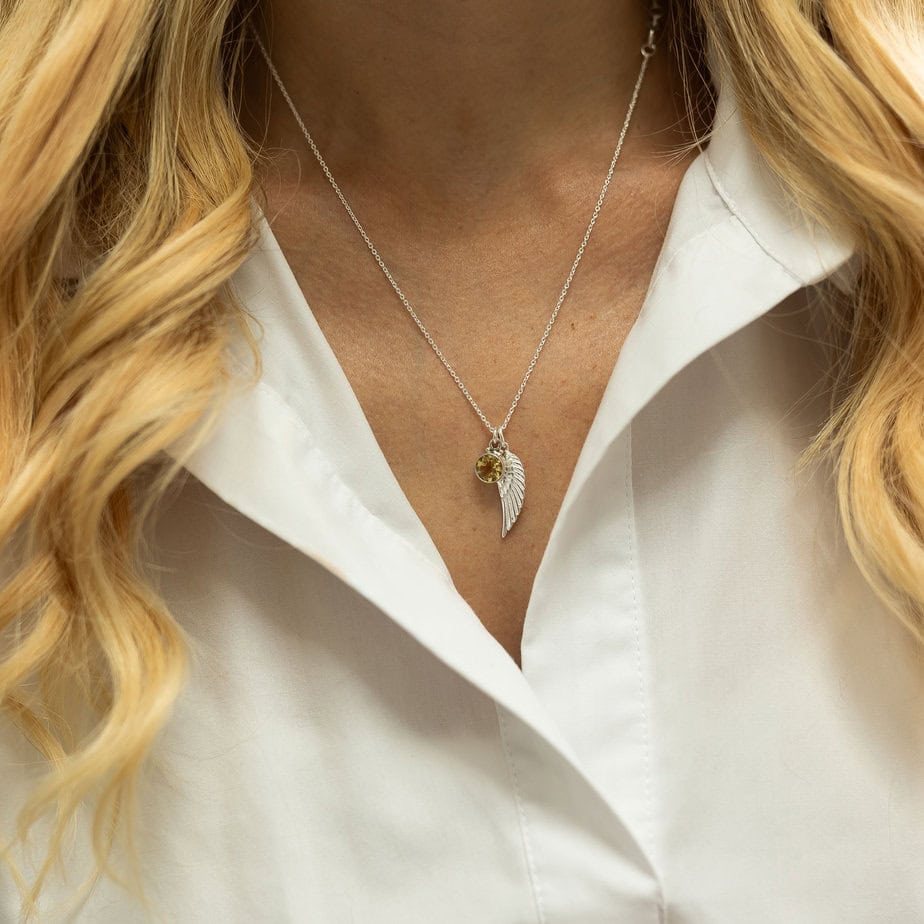
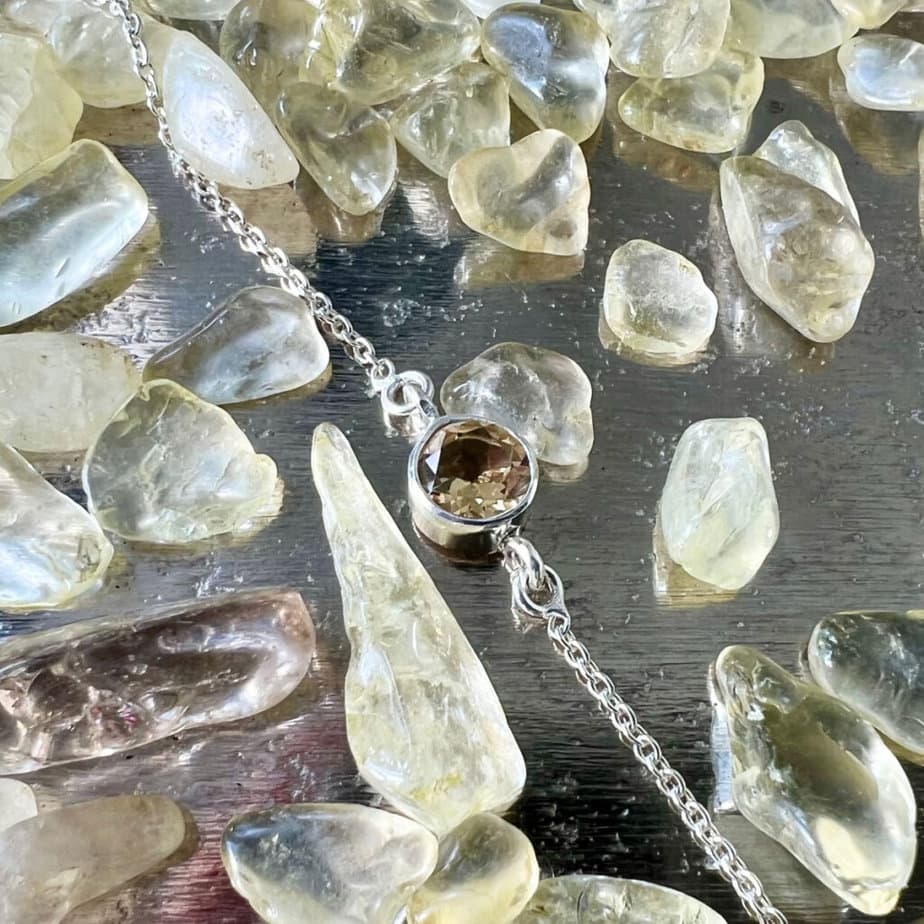
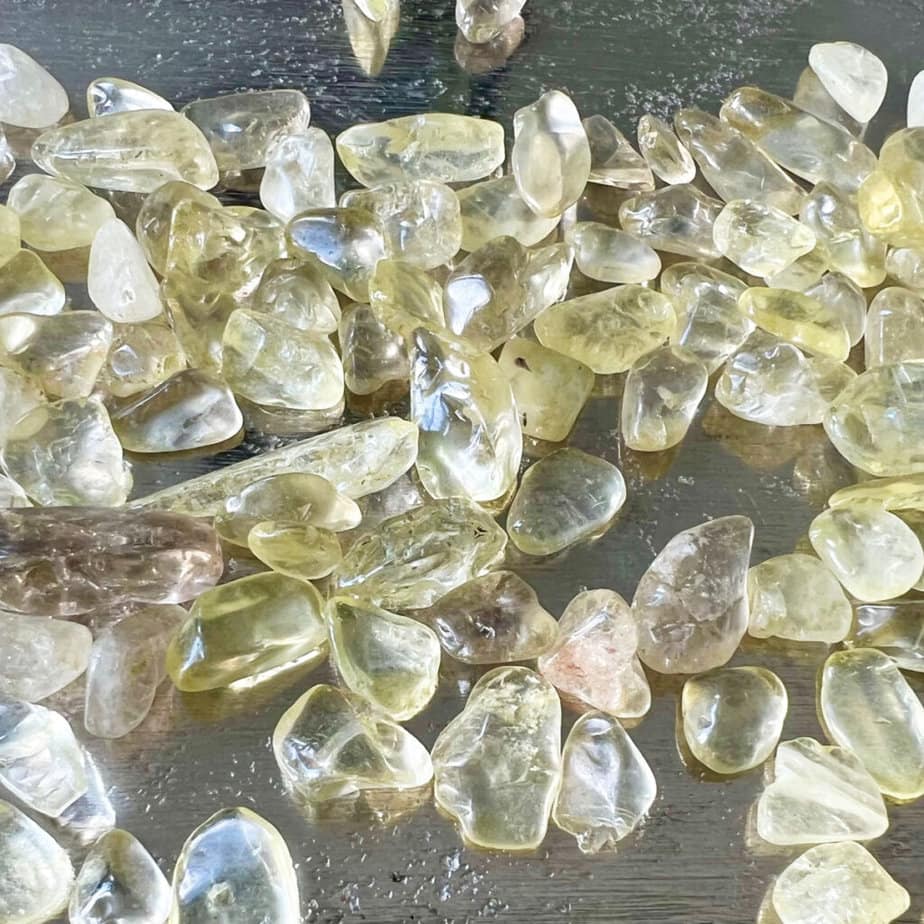
Citrine, with its warm golden tones, is often associated with positivity, energy and light. As the November birthstone, citrine jewellery is a vibrant and uplifting choice, perfect for celebrating birthdays, anniversaries and special occasions.
Whether you’re choosing a November birthstone gift or adding a warm, luminous tone to your collection, citrine offers a distinctive and versatile style.
Citrine is a variety of quartz, ranging in colour from pale yellow to deep amber and brownish-orange tones. Its colour is created by traces of iron within the stone.
Highly valued for its warmth, durability and affordability, citrine is a popular choice for jewellery. Natural citrine is relatively rare, and many stones on the market are heat-treated amethyst or smoky quartz. All of our citrine jewellery features natural stones.
Meaning and symbolism
Citrine has long been associated with positivity, confidence and emotional balance. Known by some as the ‘Light Maker’, this crystal is sometimes referred to as vitamin C for the soul because of its uplifting properties. It is also linked to creativity and clarity of thought, and has been believed to promote a sense of warmth and wellbeing.
Sometimes referred to as the ‘Merchant’s Stone’, citrine is also associated with prosperity and success, particularly in historical and cultural traditions.
Durability and care
Citrine ranks 7 on the Mohs hardness scale, making it suitable for everyday jewellery with a little care. To keep your citrine jewellery looking its best:
– Clean with a soft cloth and mild soapy water
– Store in a pouch away from harder gemstones
– Avoid knocks and abrasive surfaces
Citrine as a gift
As well as being the November birthstone, citrine is traditionally given to celebrate a 13th wedding anniversary. Its warm colour and uplifting symbolism make it a thoughtful and meaningful gift for a wide range of occasions.
The citrine story
The name citrine comes from the French word citron, meaning lemon, reflecting its golden-yellow tones.
Citrine has been used in jewellery since ancient times, with records dating back to Greece around 300 BC. It was sometimes mistaken for topaz due to its similar colouring, and has also been linked to the twelve stones of the Breastplate of High Priest Aaron.
In more recent history, citrine became popular in bold Art Deco jewellery, worn by classic Hollywood stars such as Greta Garbo and Joan Crawford. It also featured in the famous Cartier flamingo brooch commissioned by the Duke of Windsor in 1940, and continues to be worn today by Catherine, Princess of Wales.
What is citrine and where is it found?
Citrine is part of the quartz family, which includes amethyst, rose quartz and smoky quartz. While quartz is one of the most abundant minerals on Earth, natural citrine is relatively rare.
It typically forms in a hexagonal crystal structure and, in its natural state, can have a cloudy or smoky appearance. A trace of iron in the citrine’s structure creates its yellow-orange colouring.
Citrine forms in igneous and metamorphic rocks, as well as sedimentary deposits, and is found in locations around the world, including Brazil, Uruguay, Madagascar, Russia, South Africa, Spain and the United States.