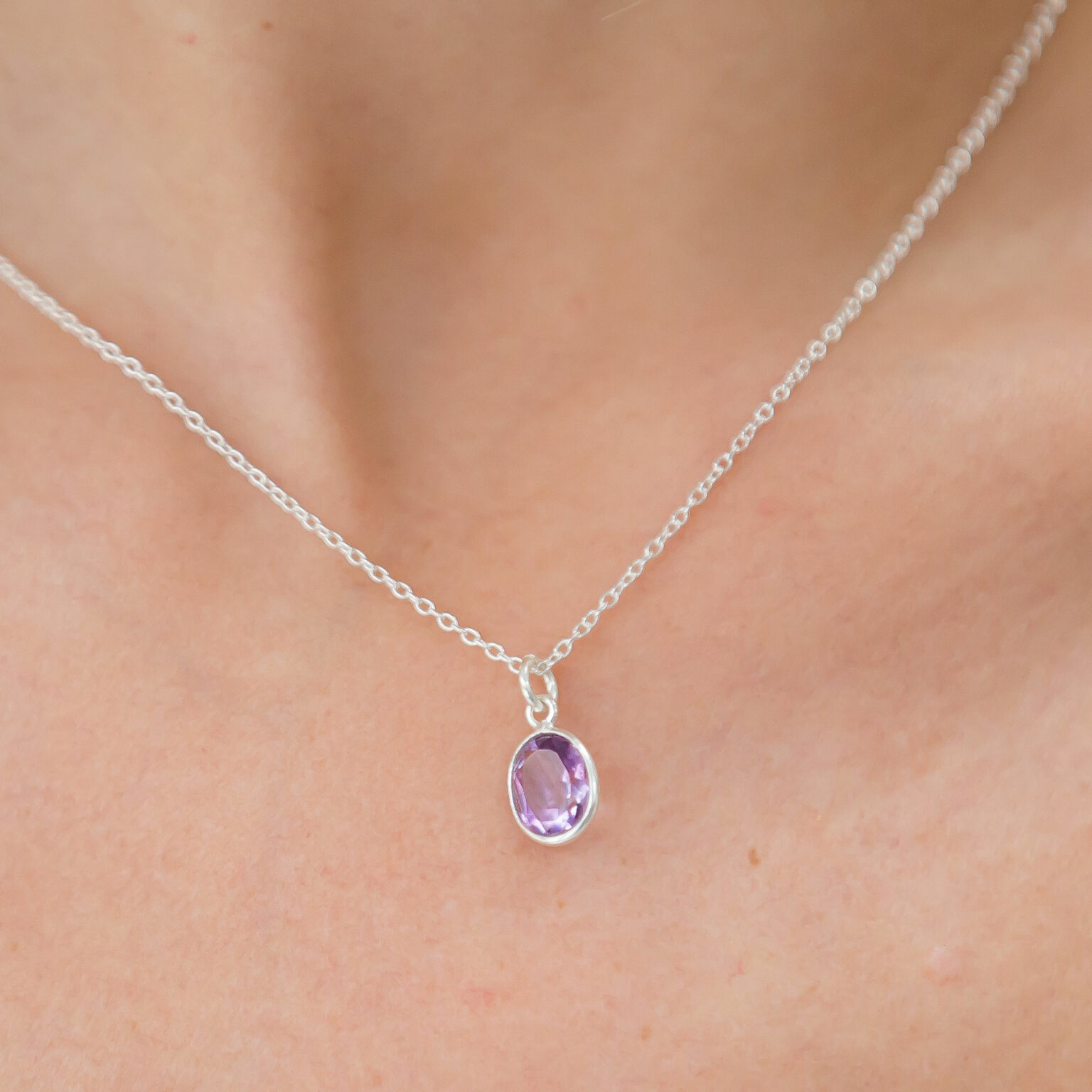
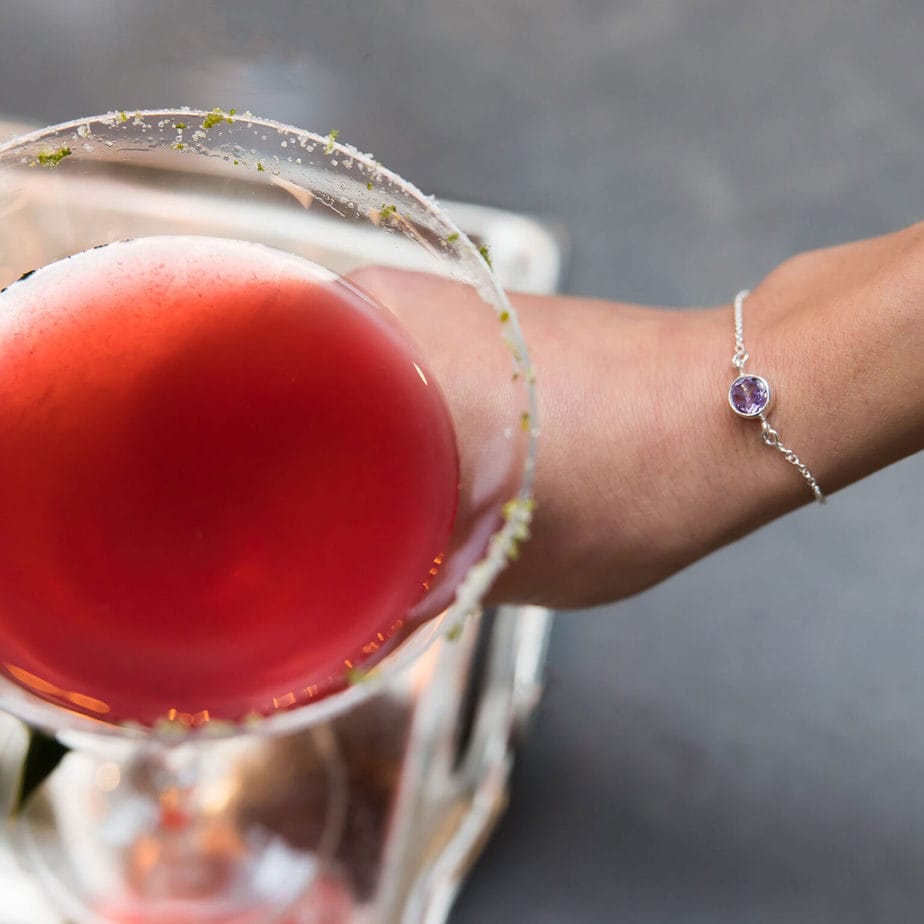
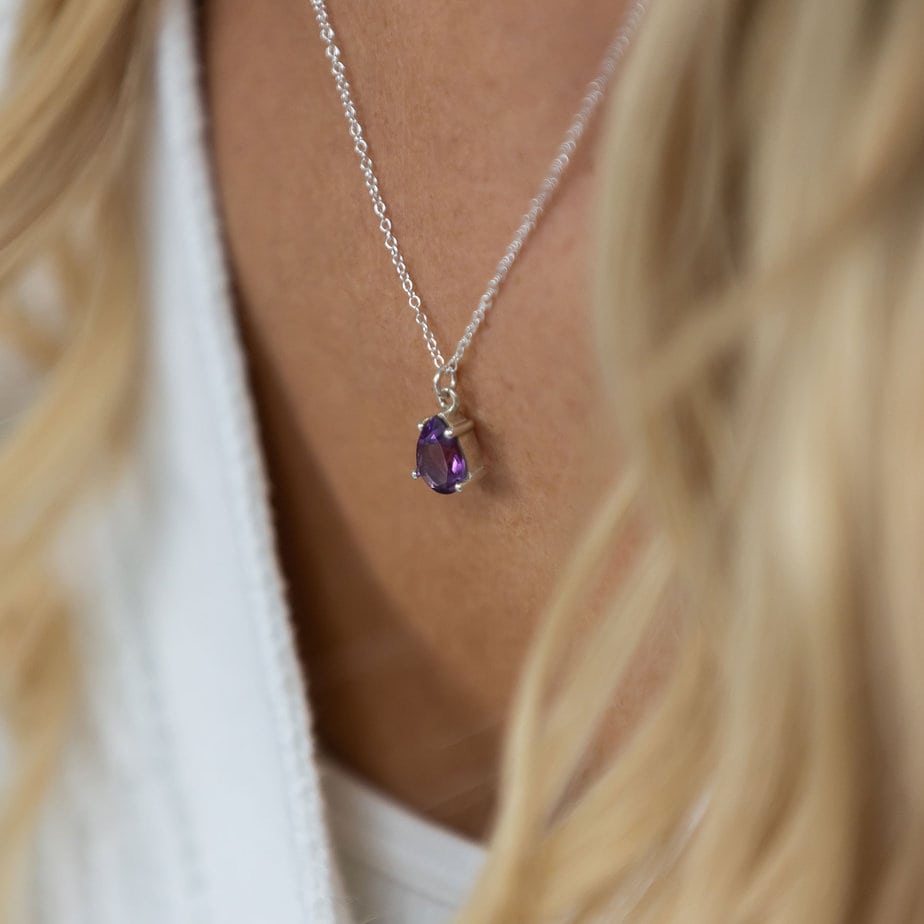
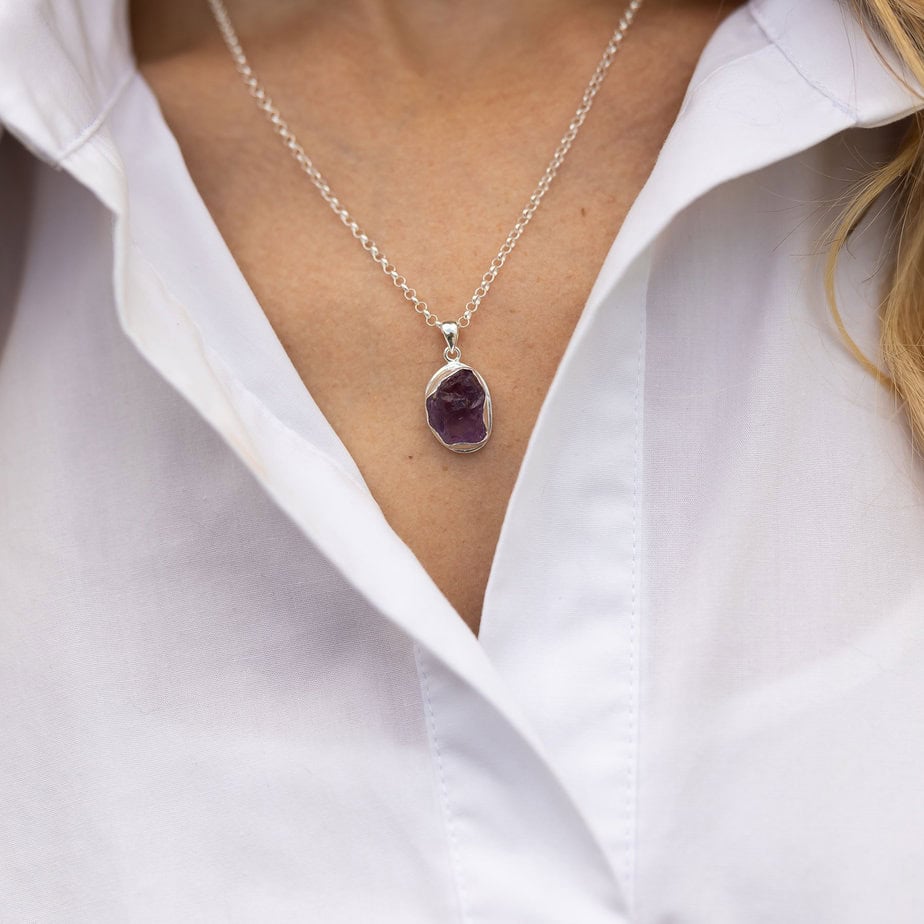
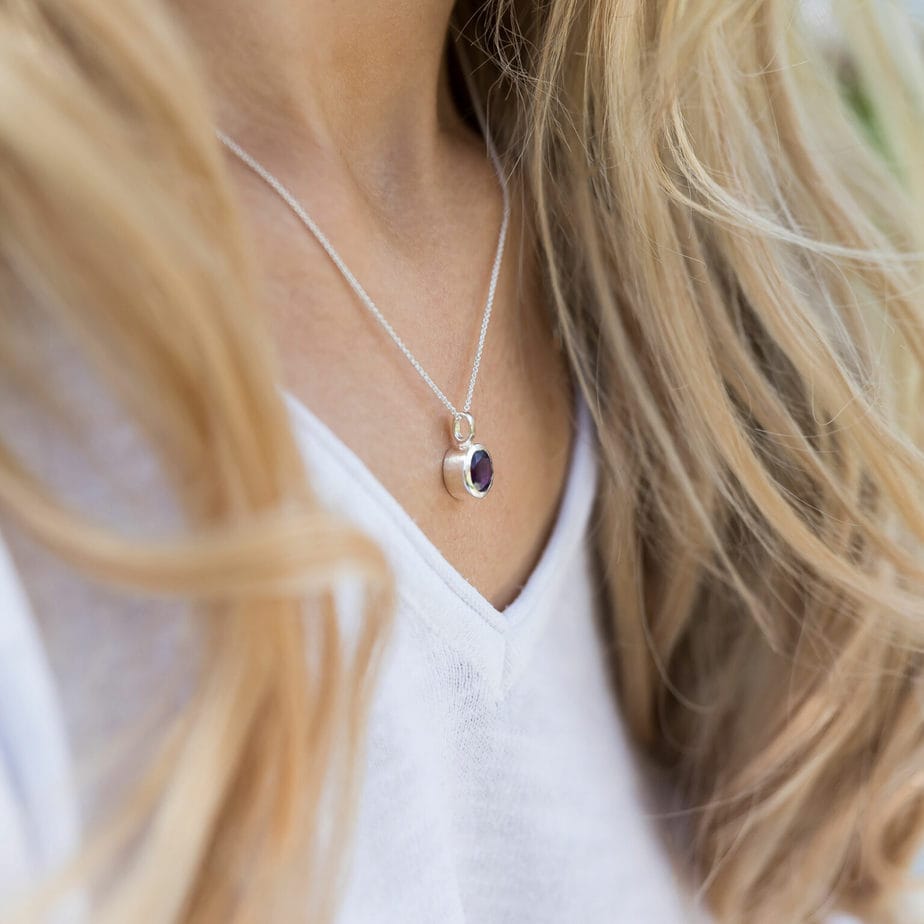
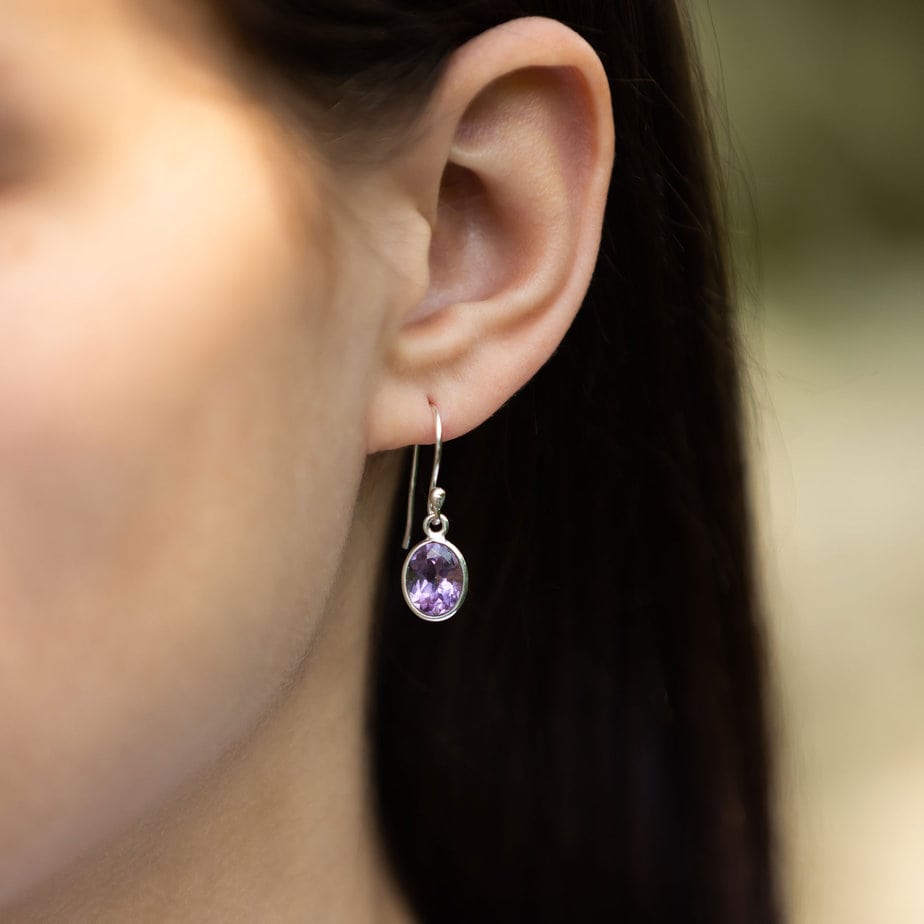
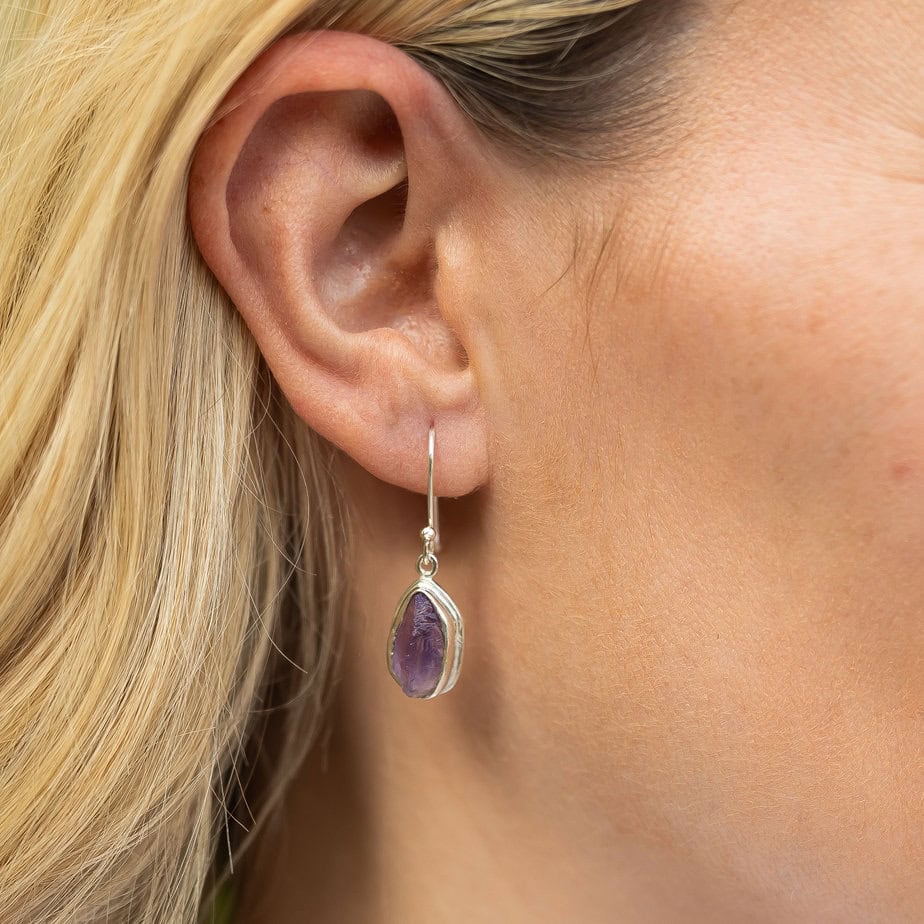
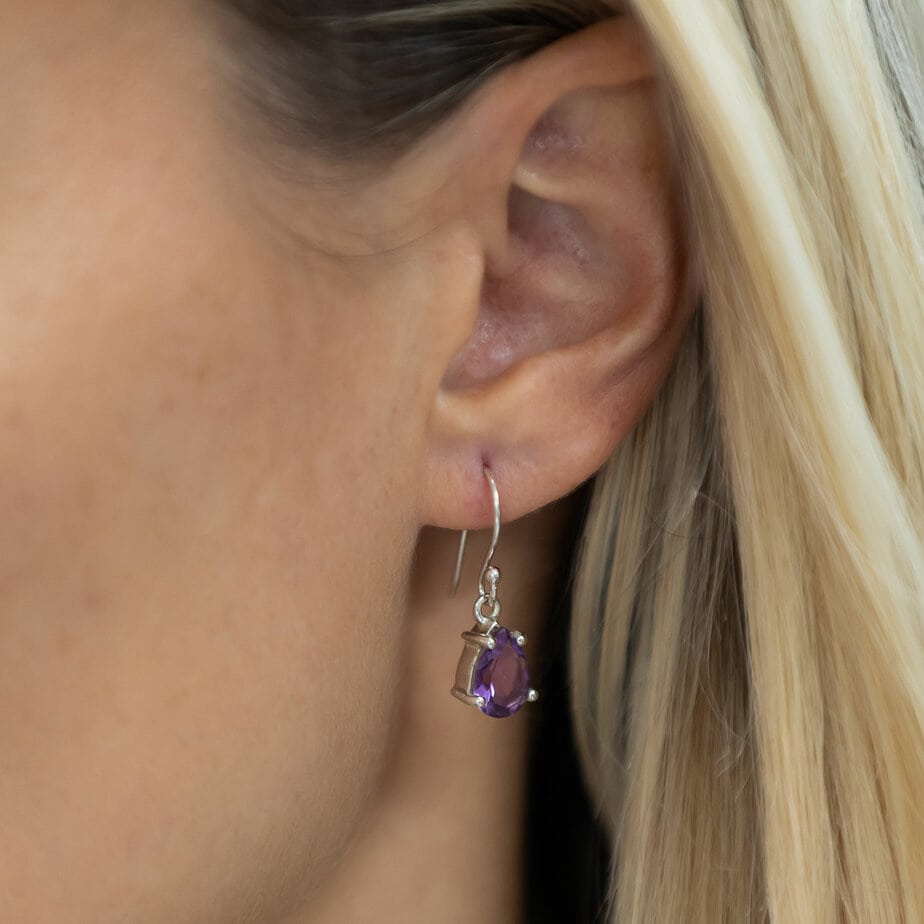
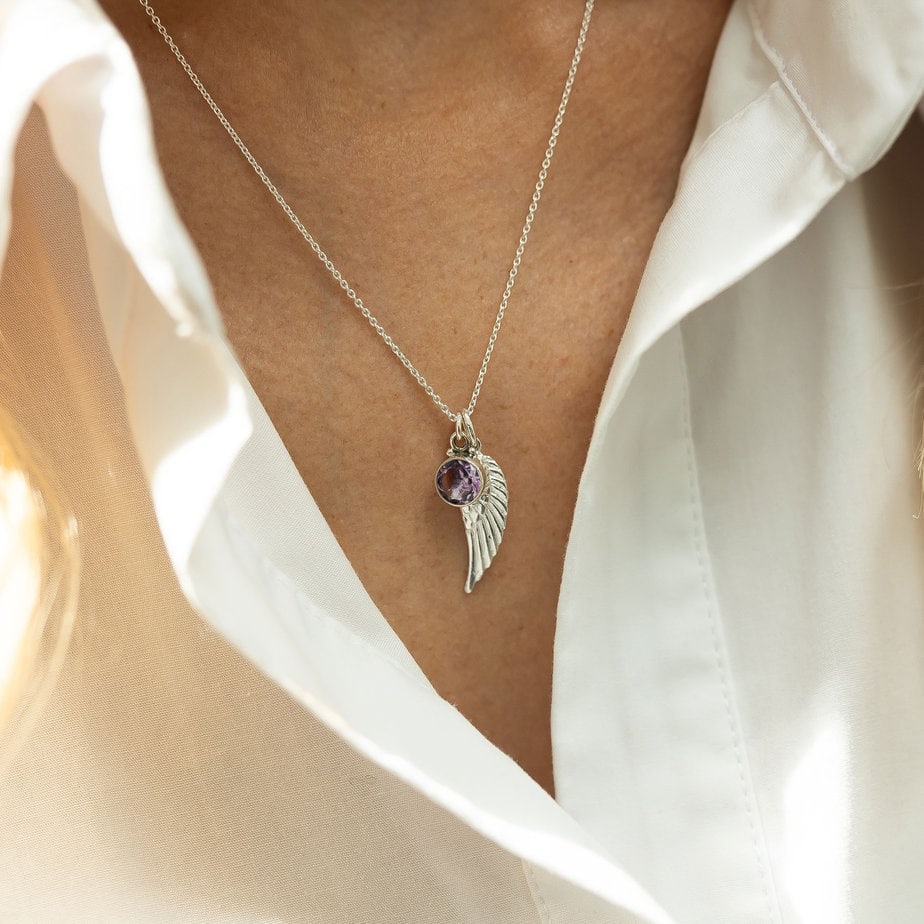
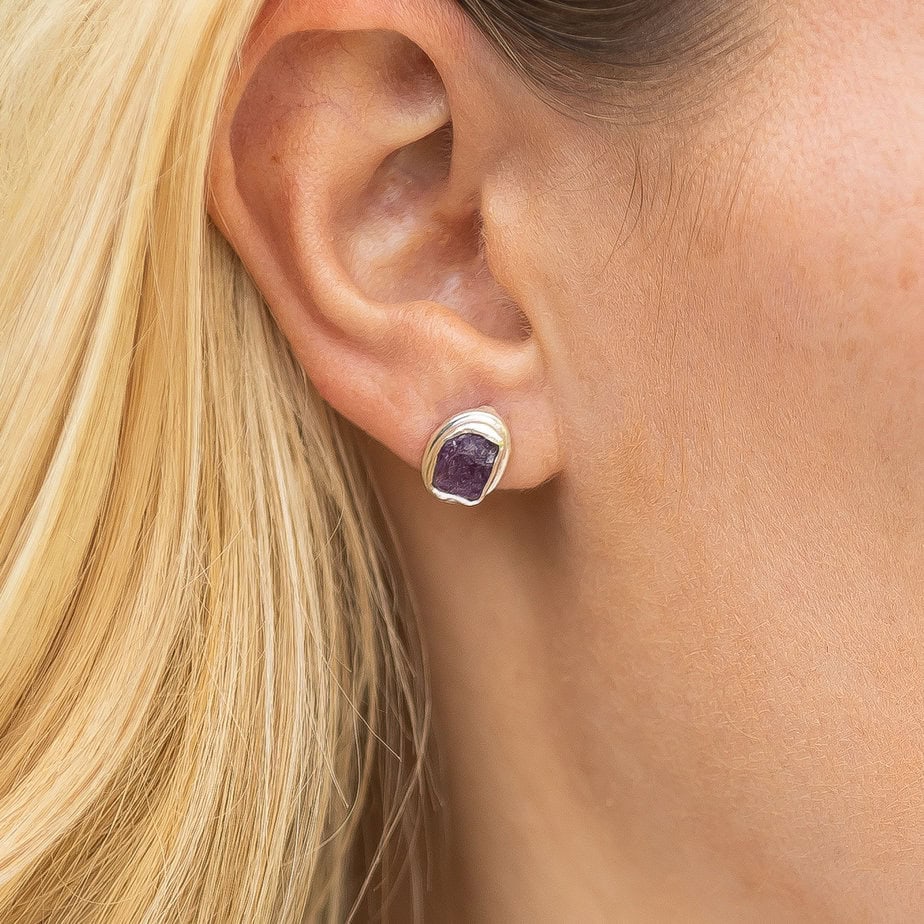
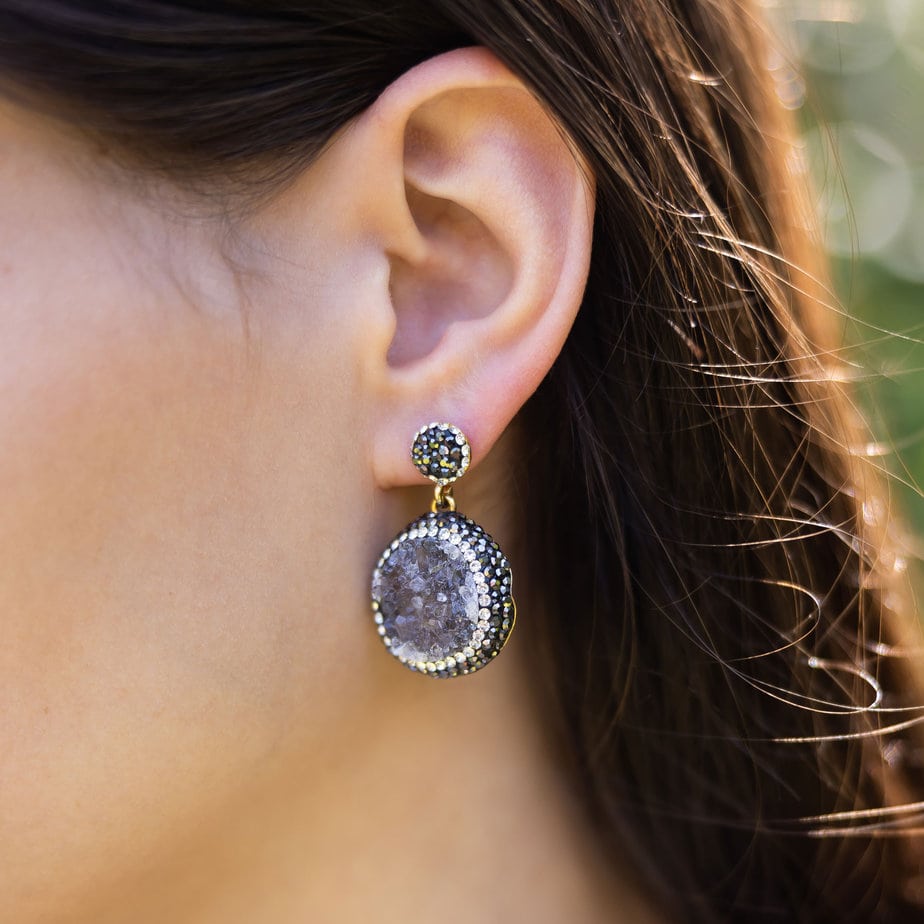
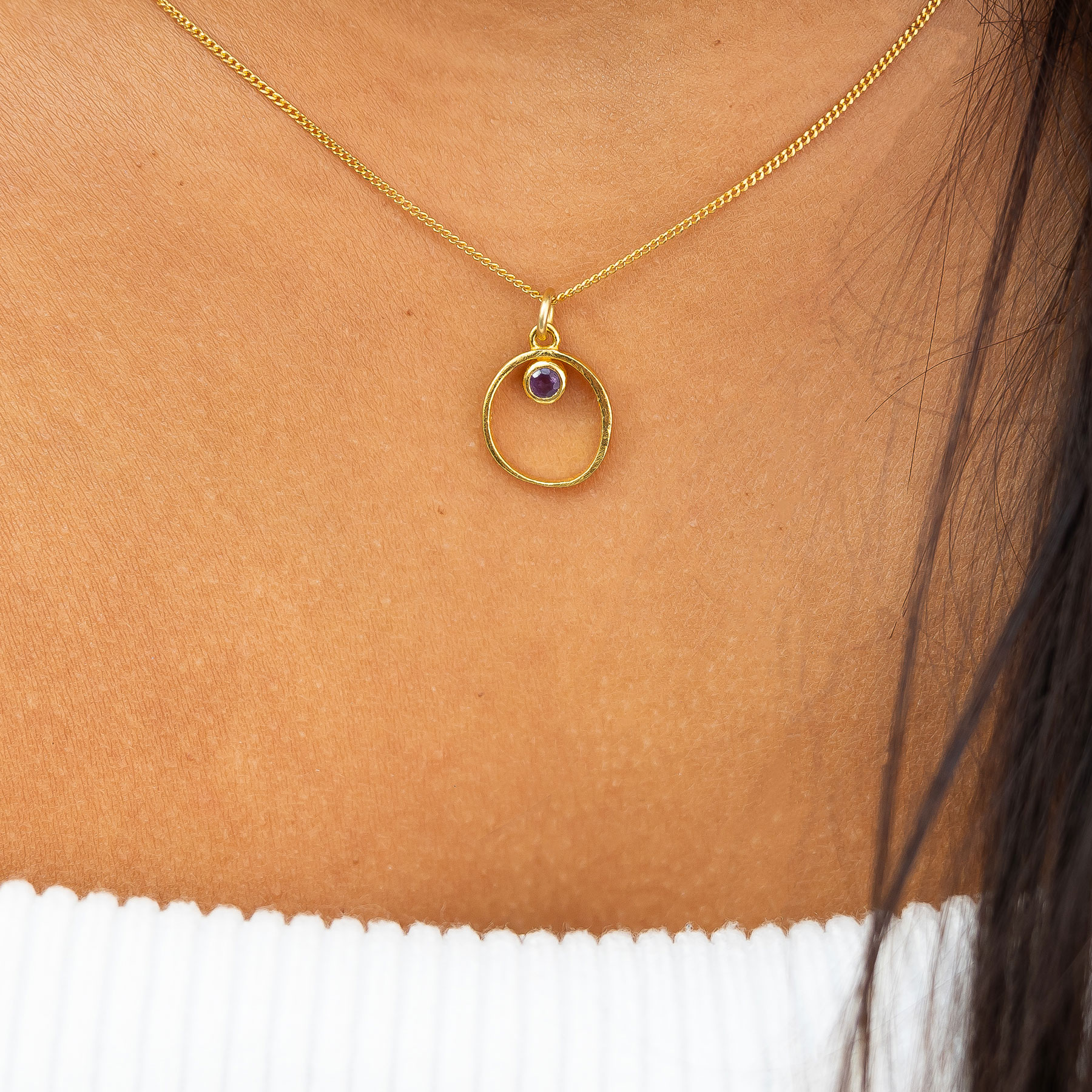
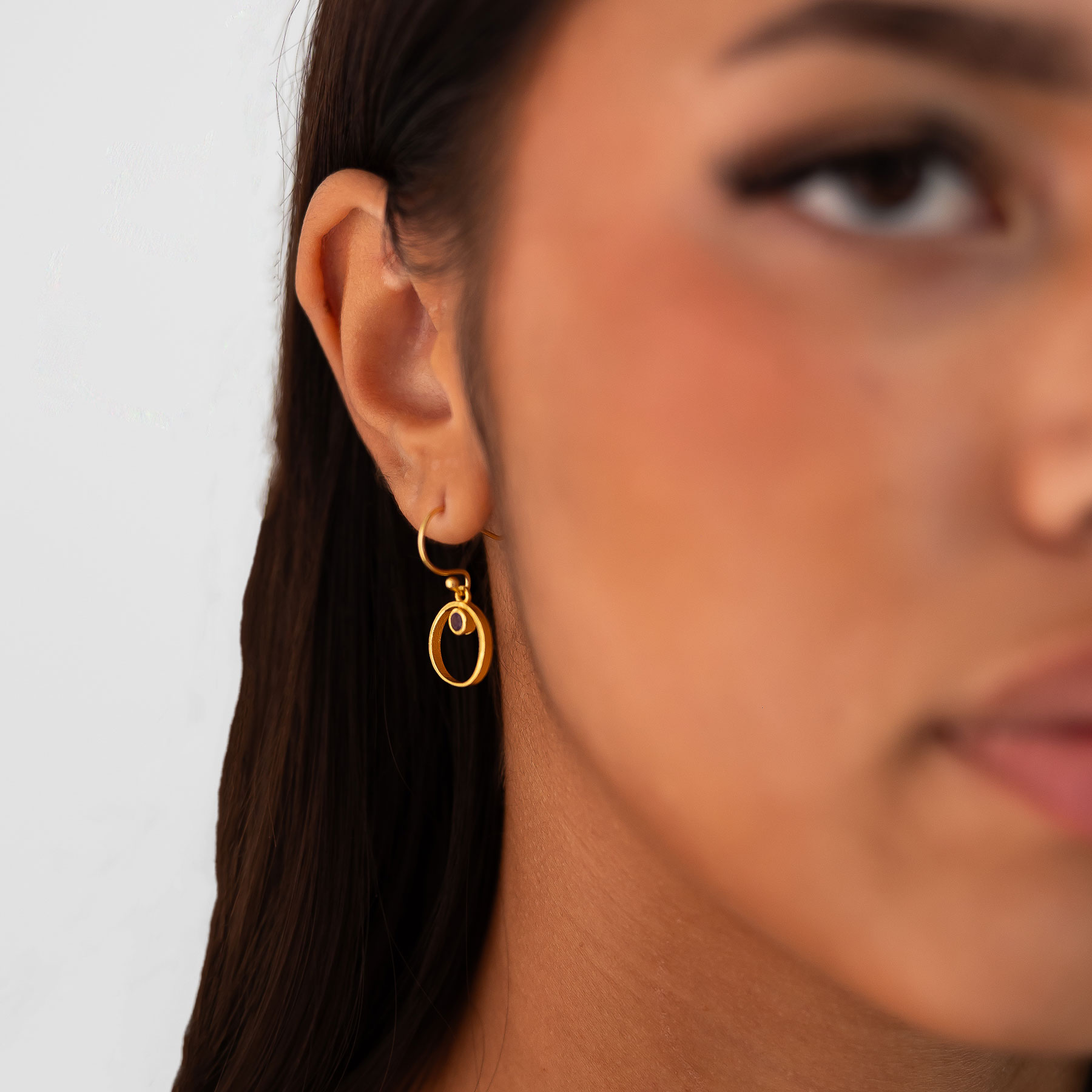
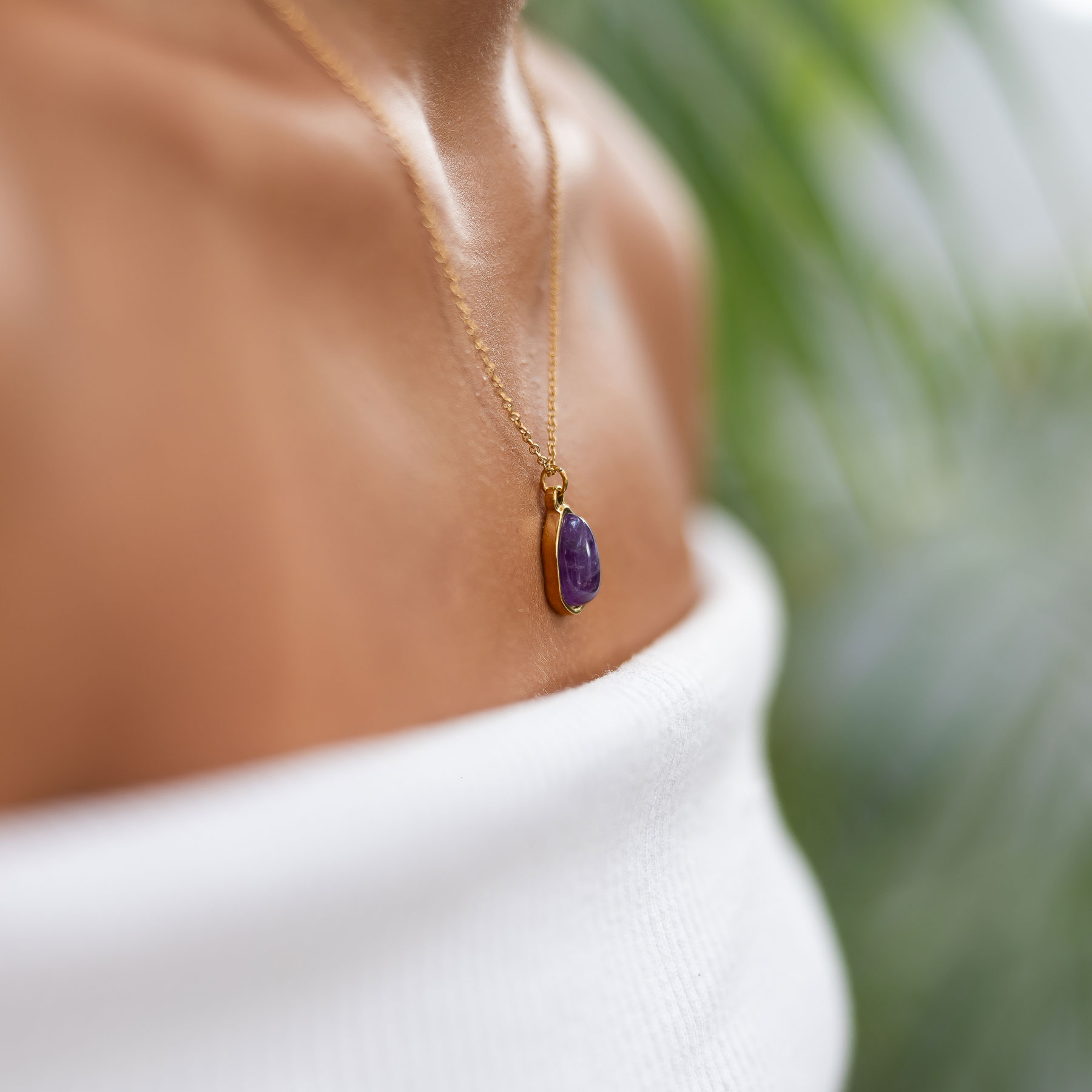
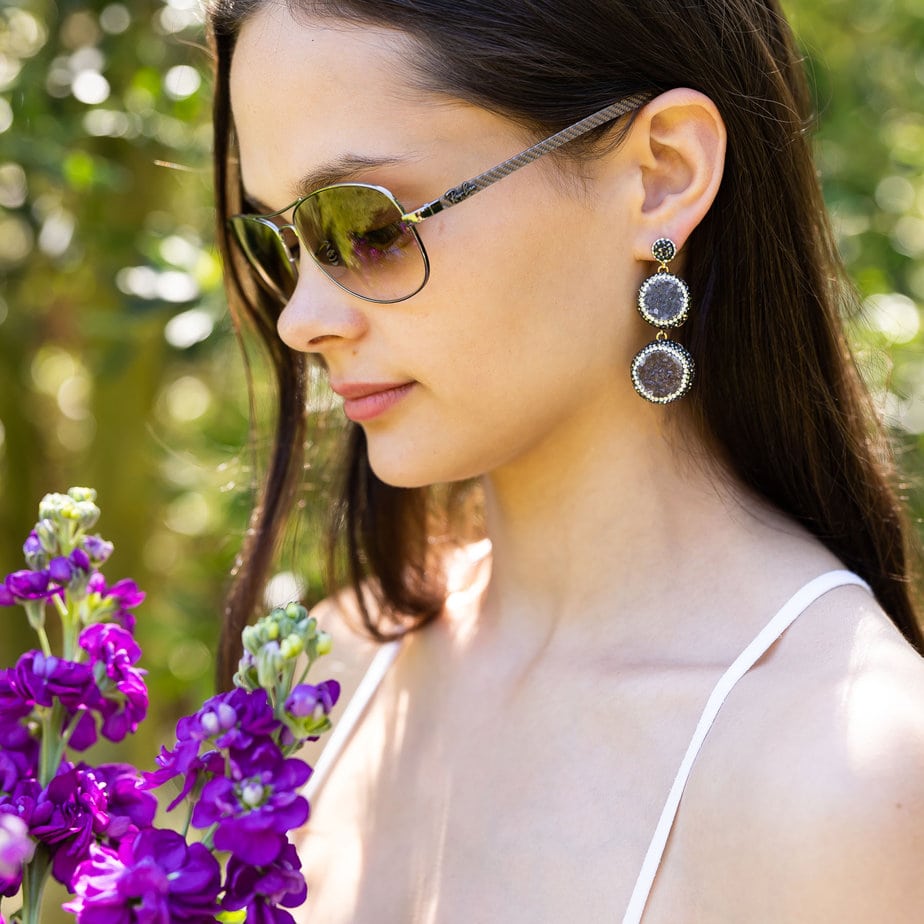
Amethyst, the rich purple variety of quartz, has long been associated with calm, emotional clarity and inner strength. As the February birthstone, amethyst jewellery is a meaningful and timeless choice, perfect for celebrating birthdays, anniversaries and other special occasions.
From soft lilac tones to deep violet hues, amethyst jewellery offers a striking yet wearable style. Whether you’re choosing a February birthstone gift or adding a pop of colour to your collection, amethyst remains one of the most loved and versatile gemstones.
Historically, amethyst was believed to promote clear thinking and calm energy. It has long been associated with strength and protection, often seen as a symbol of personal empowerment. Today, it remains closly linked to balance, calm and emotional clarity.
Amethyst ranges in colour from the palest lilac to rich deep purple. It is formed from quartz, one of the most abundant minerals on earth, with its distinctive colour created by iron impurities within the stone.
Lab-created amethysts have the same chemical and physical properties as its natural counterpart and have been around since the 1970s. In some cases, it can be very difficult to tell the difference so it is always worth checking whether a stone is natural or synthetic.
Durability and care
Amethyst ranks 7 on the Mohs hardness scale, making it suitable for everyday jewellery with a little care. To keep your amethyst looking its best:
– Clean with a soft cloth and mild soapy water
– Avoid prolonged exposure to direct sunlight, which can cause fading
– Store separately from harder gemstones to prevent scratches
Amethyst as a gift
As well as being the February birthstone, amethyst is traditionally given to celebrate a sixth wedding anniversary, making it a thoughtful gift for a range of meaningful occasions.
The amethyst story
The name amethyst comes from the ancient Greek word ‘amethystos’ meaning ‘not intoxicated’. The ancient Greeks believed the stone could protect against drunkenness and promote clarity of mind. Because of its wine-like colour, early mythology connected the stone with Bacchus the god of wine. It was also believed to keep the wearer clear-headed and quick-witted in both battle and in business.
Amethyst was once considered one of the most valuable gemstones, alongside diamonds, emeralds, rubies, and sapphires – known collectively as the ‘cardinal gems’. Large discoveries, particularly in South America, have since made the stone more widely available.
Famous admirers of amethyst include Cleopatra and Catherine the Great, both known for their love of the gemstone. British royalty have also worn amethyst since the Middle Ages and the famous jewellery aficionado Wallis Simpson, Duchess of Windsor, made a striking statement in a Cartier amethyst necklace in 1953.
What is amethyst and where can you find it?
In nature, amethyst crystals form within geodes – hollow cavities in rock lined with crystals. As volcanic rock cools, mineral-rich water crystallises to create these formations. The depth of colour is influenced by the amount of iron within the rock.
Some of the most impressive amethyst geodes can grow to extraordinary sizes. One example, displayed in the National Museum of Scotland, stands nearly two metres high and weighs around one tonne.
Amethyst was once sourced primarily from Russia, but today the largest deposits are found in South America and Africa, particularly Brazil and Zambia. It is also found in countries such as Canada and the USA, including Arizona, North Carolina, Montana and Colorado.