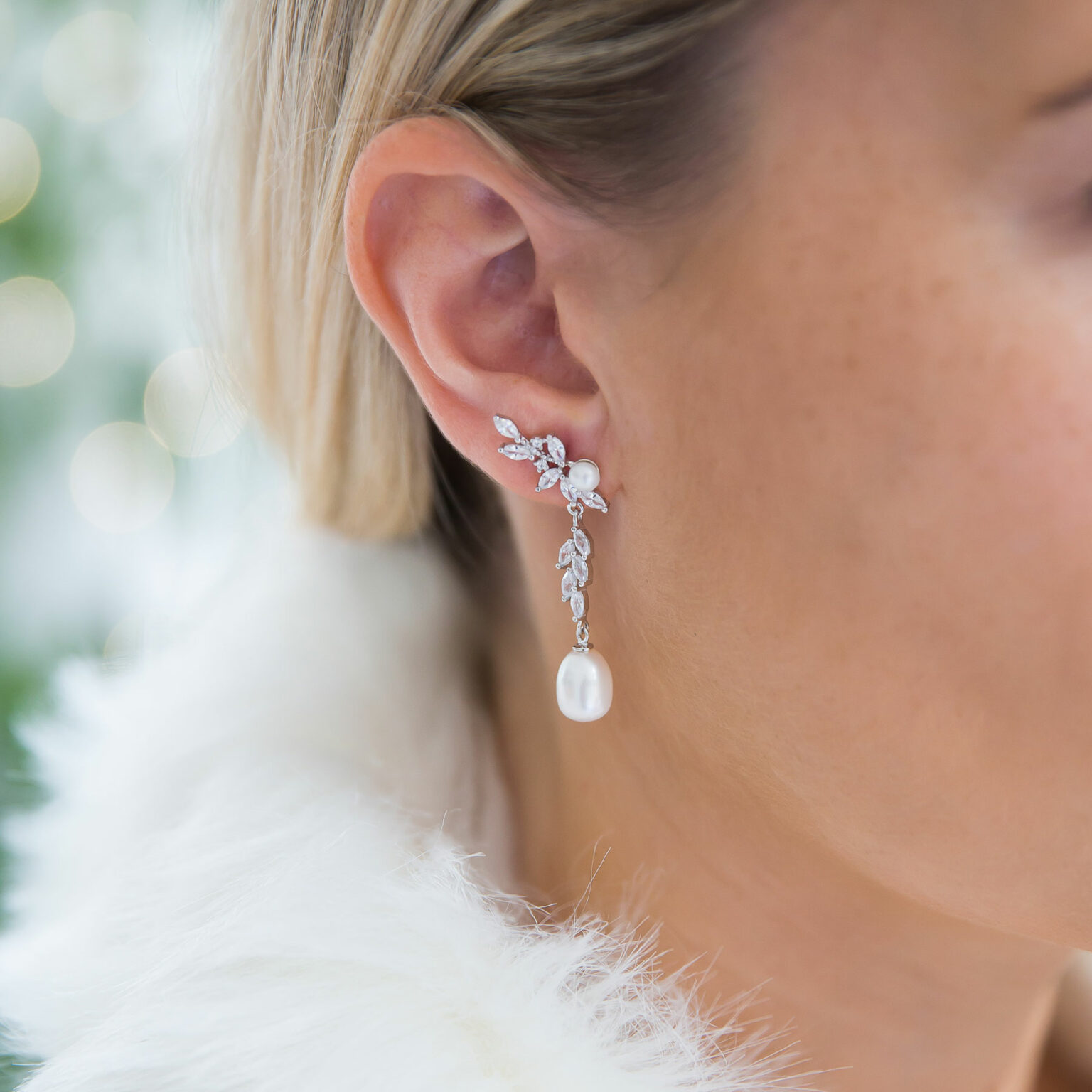
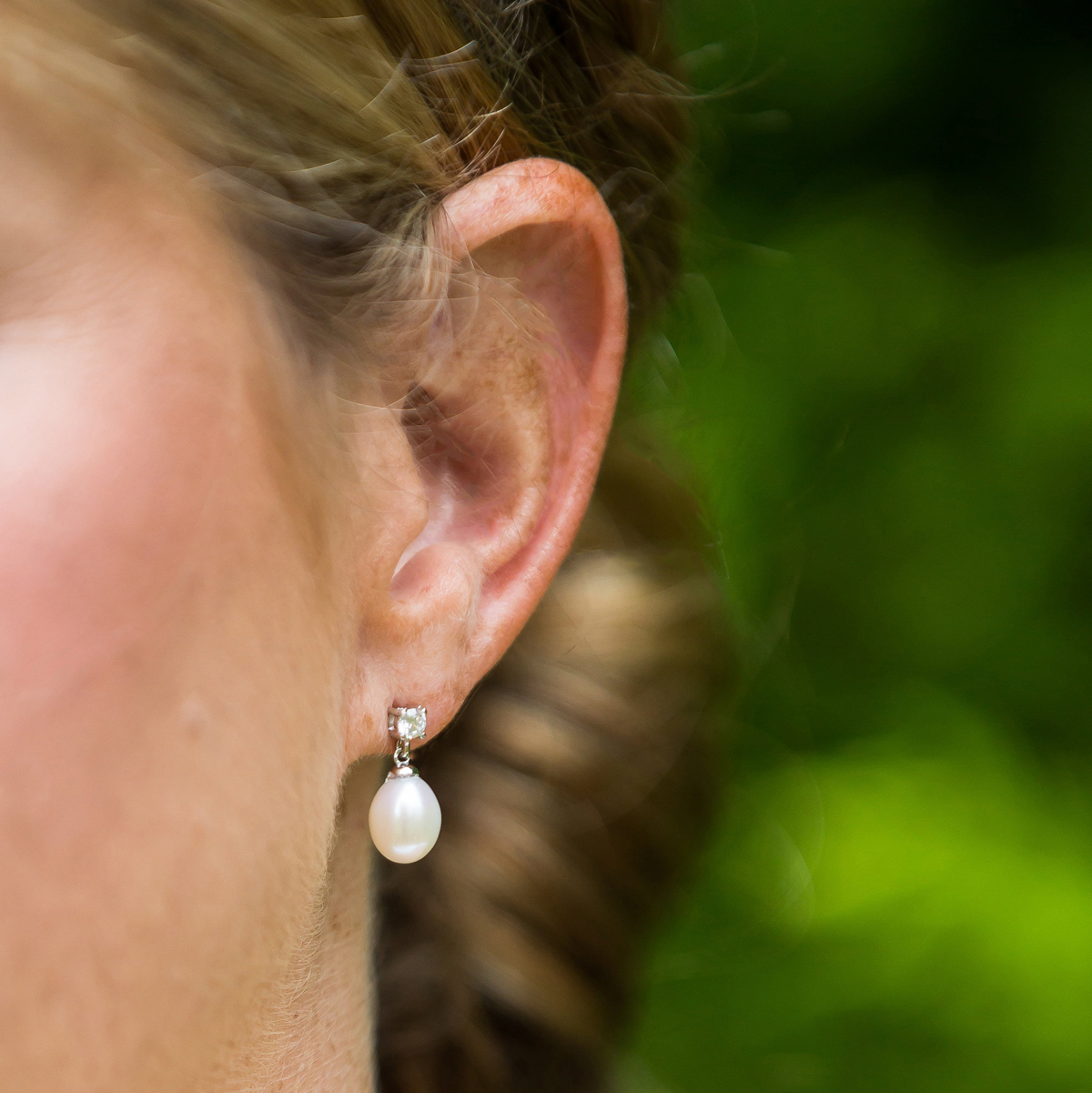
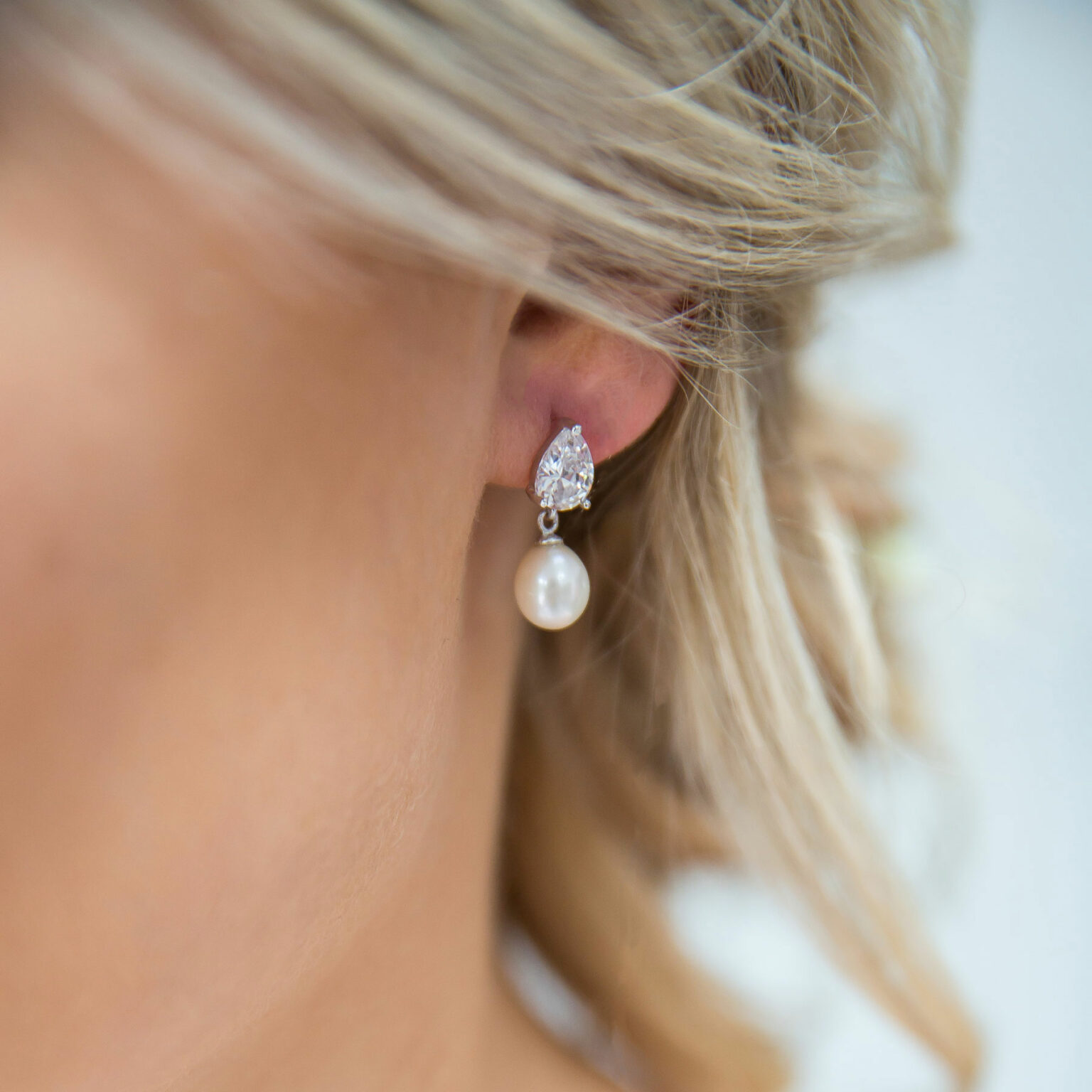
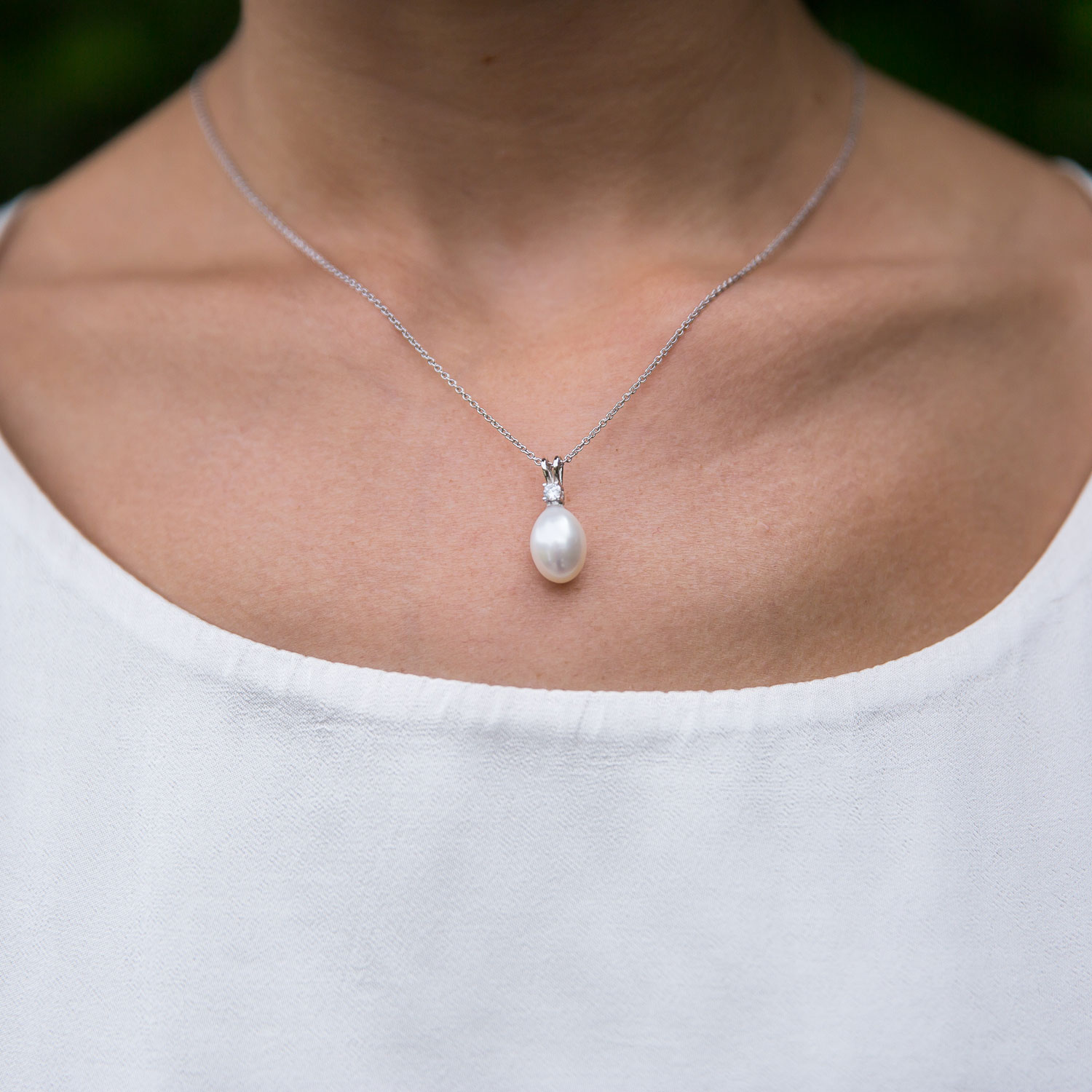
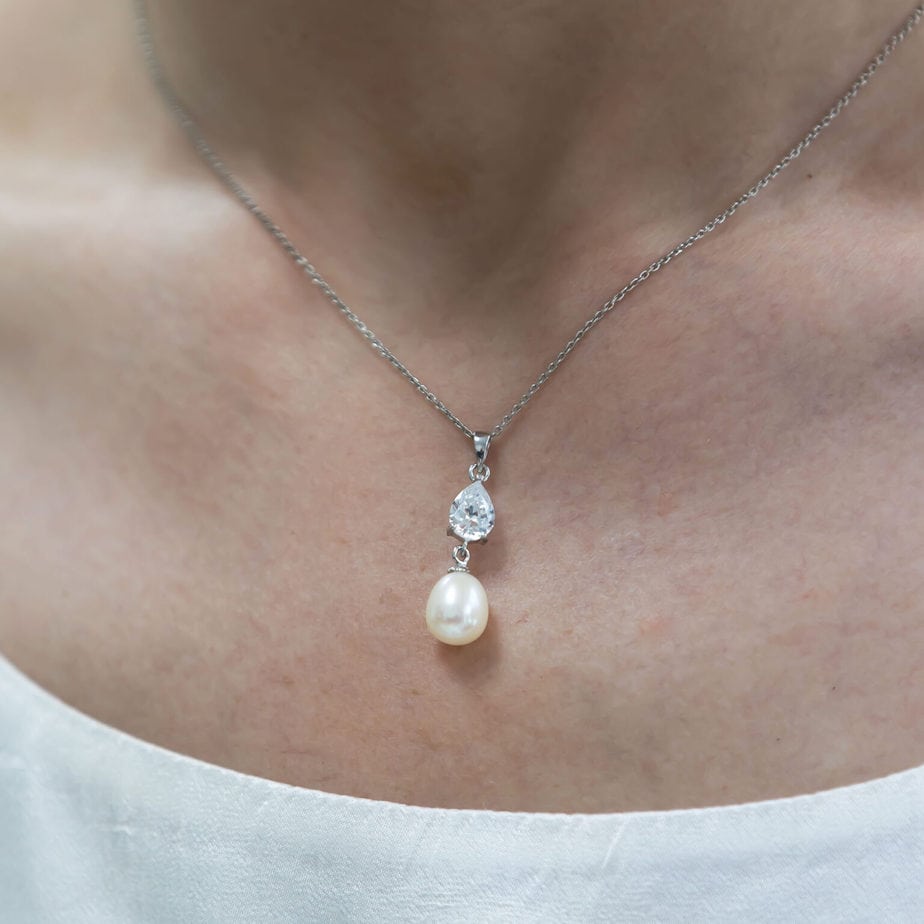
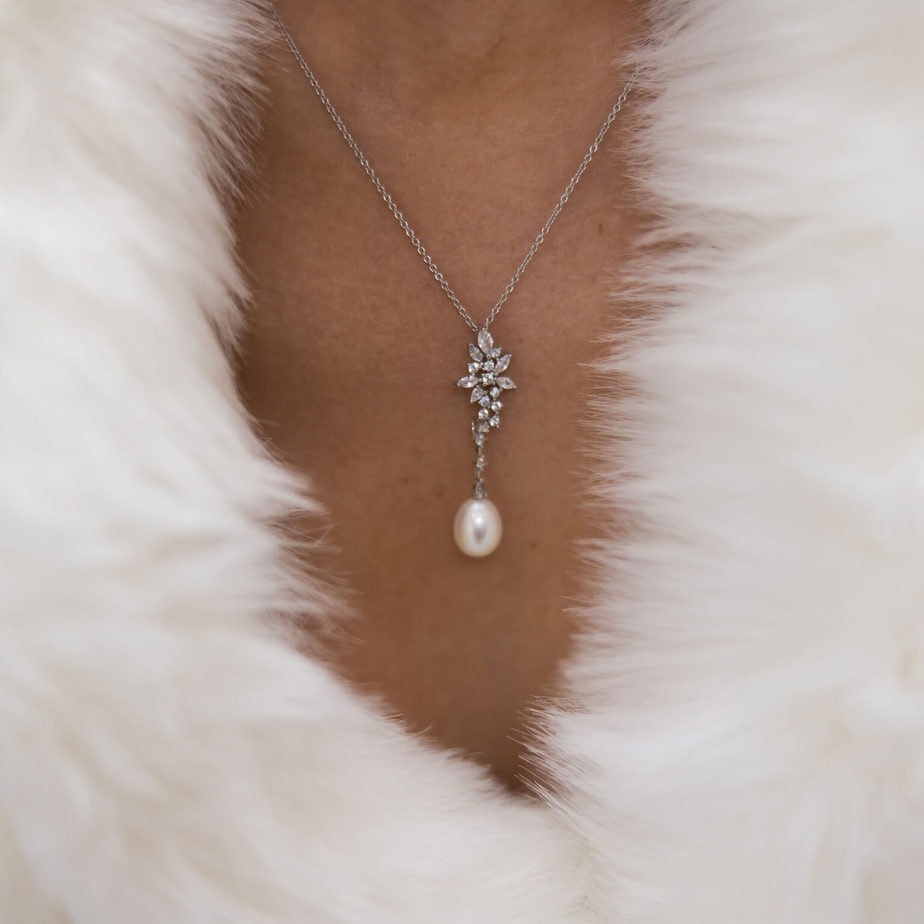
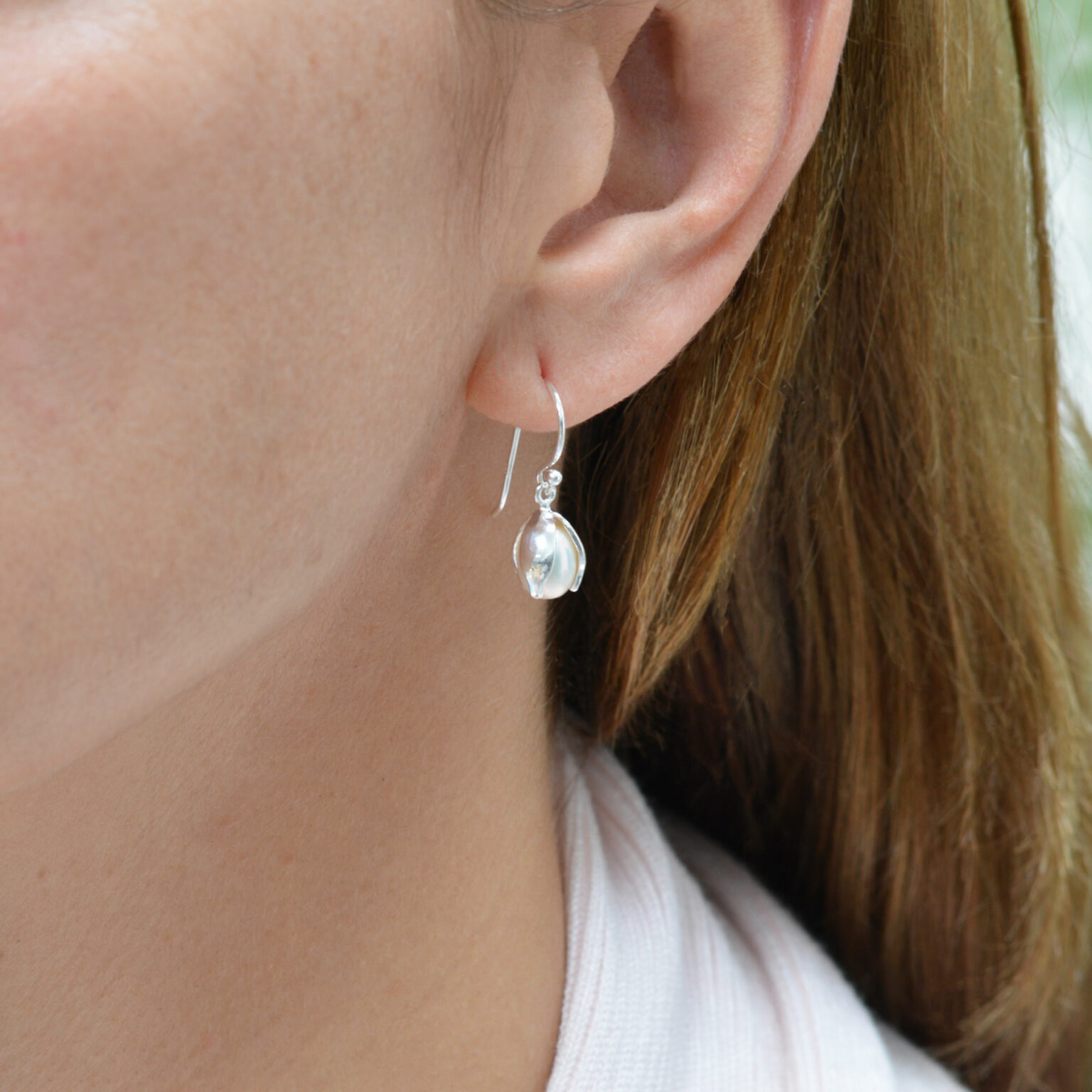
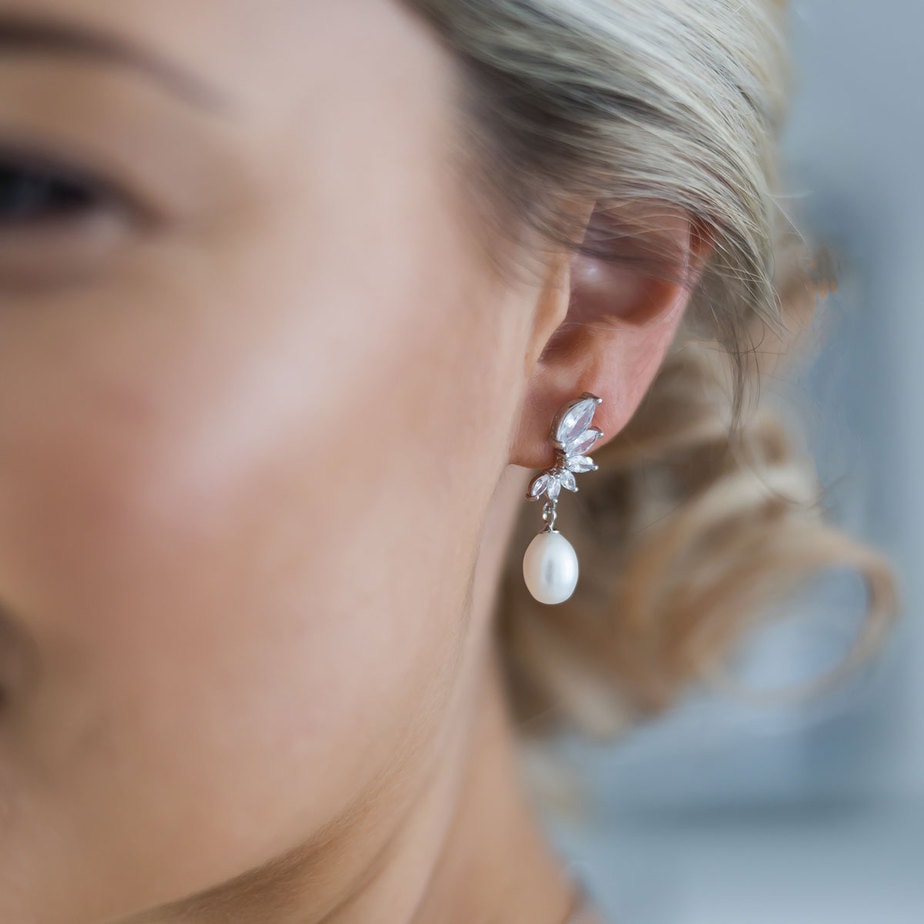
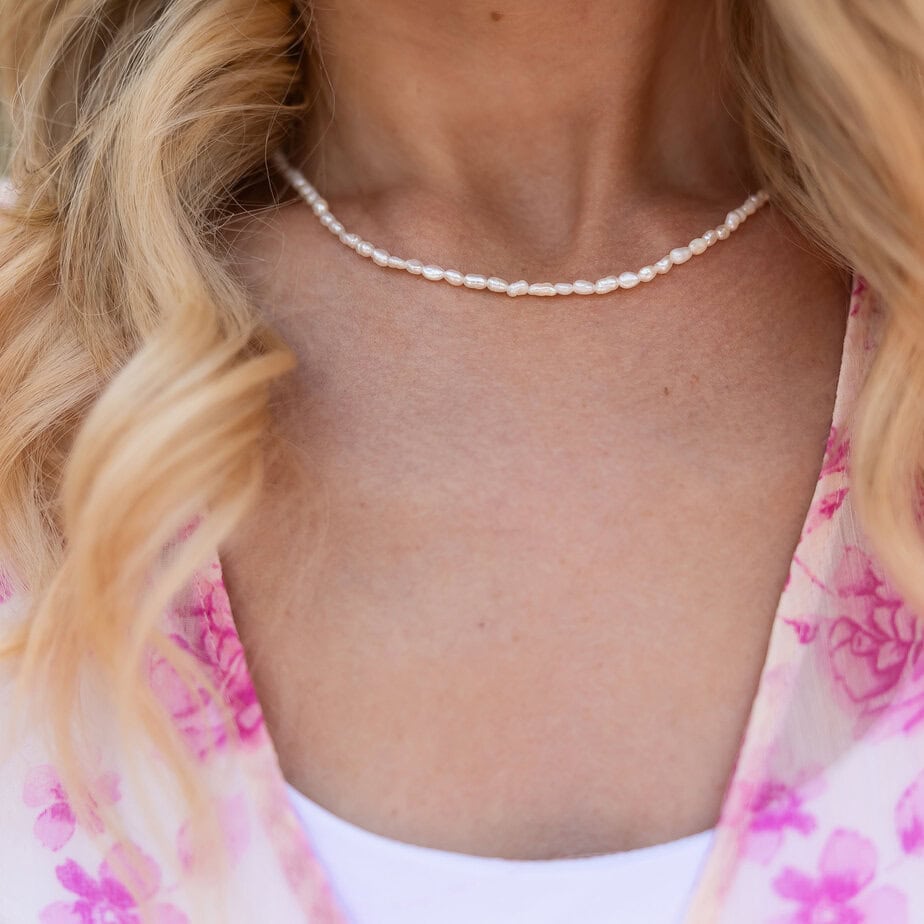
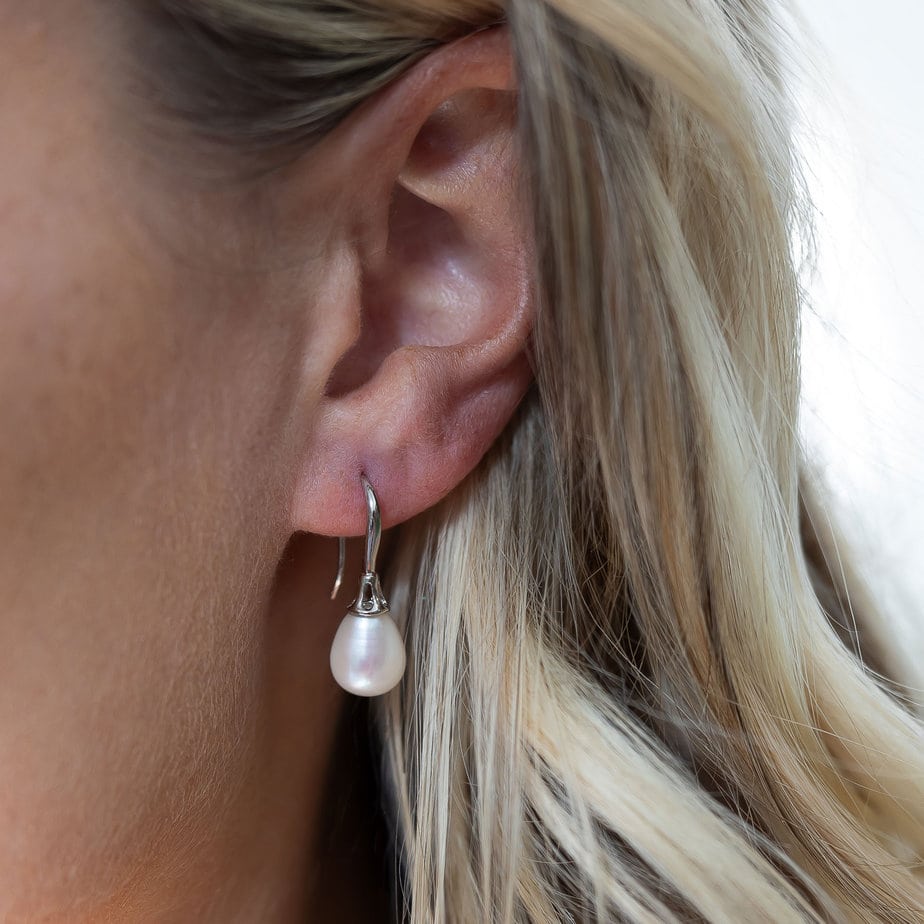
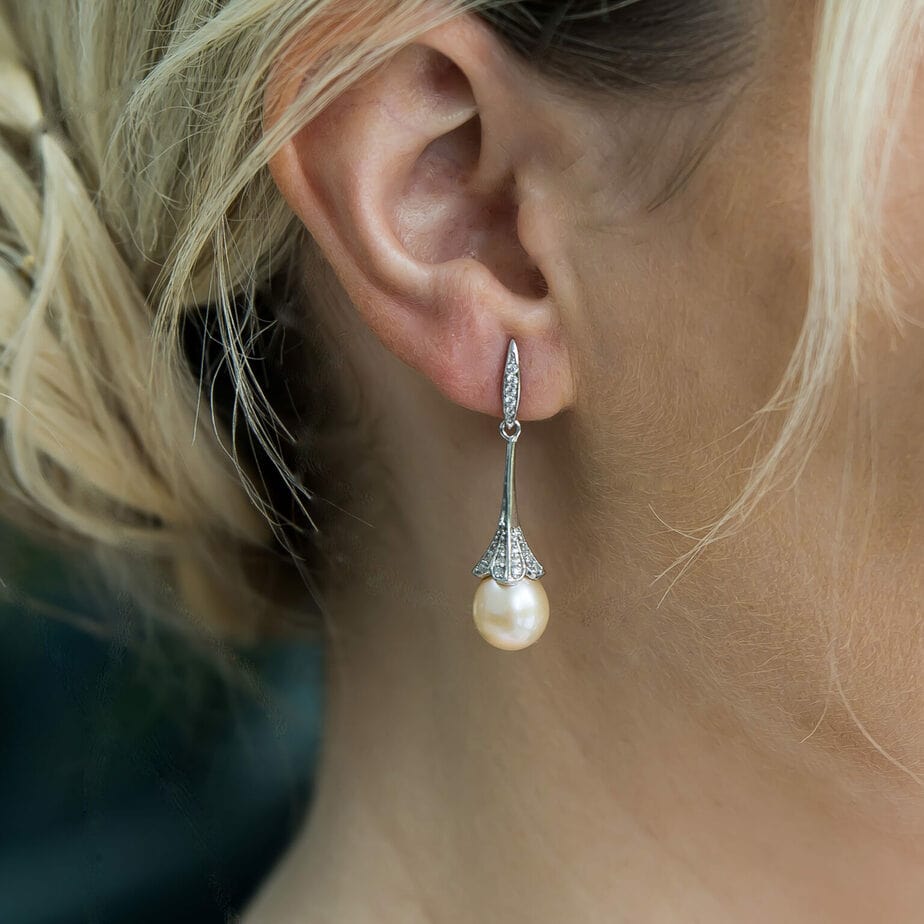
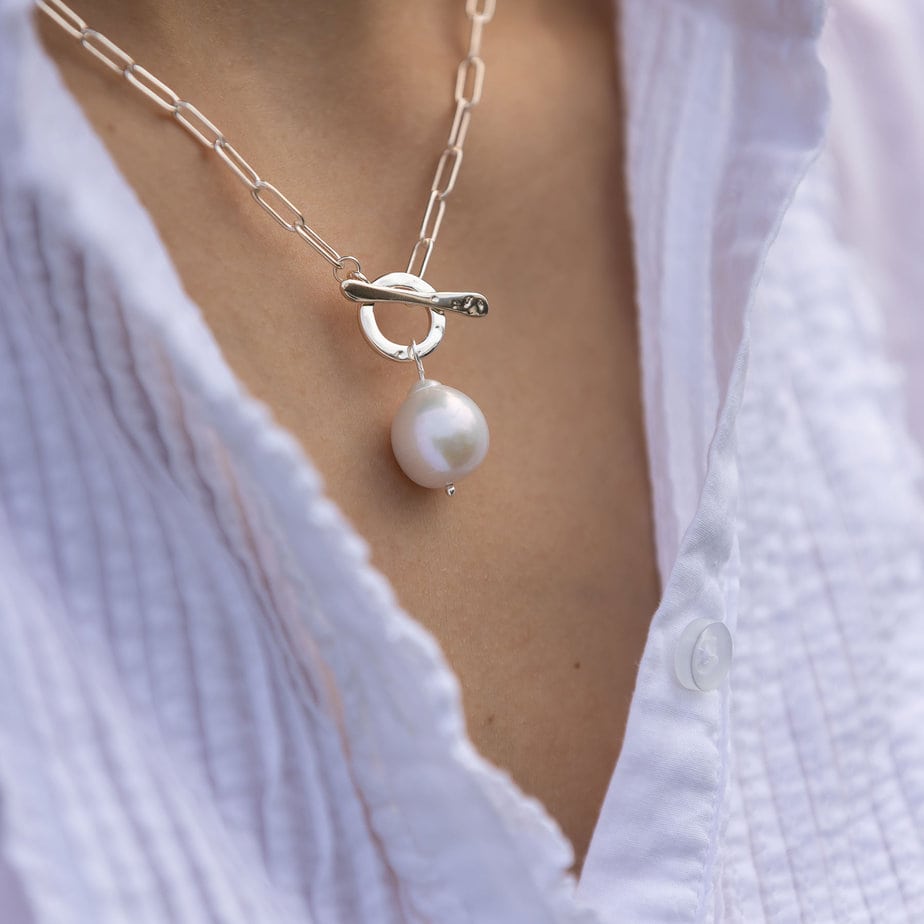
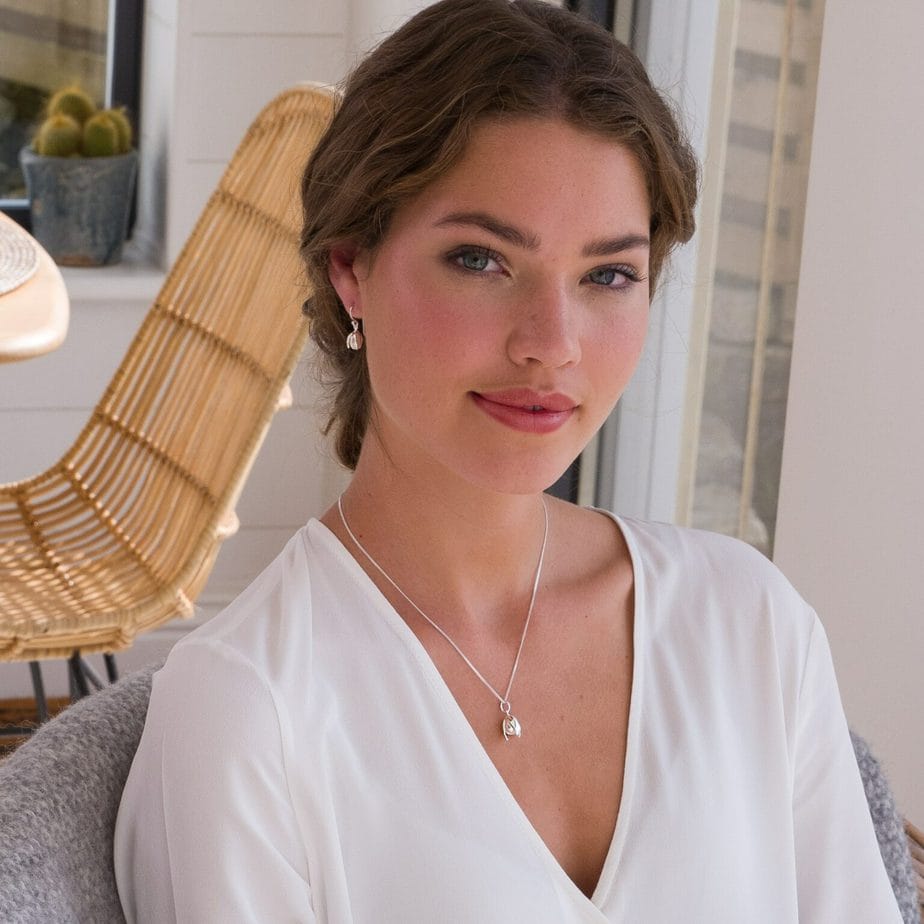
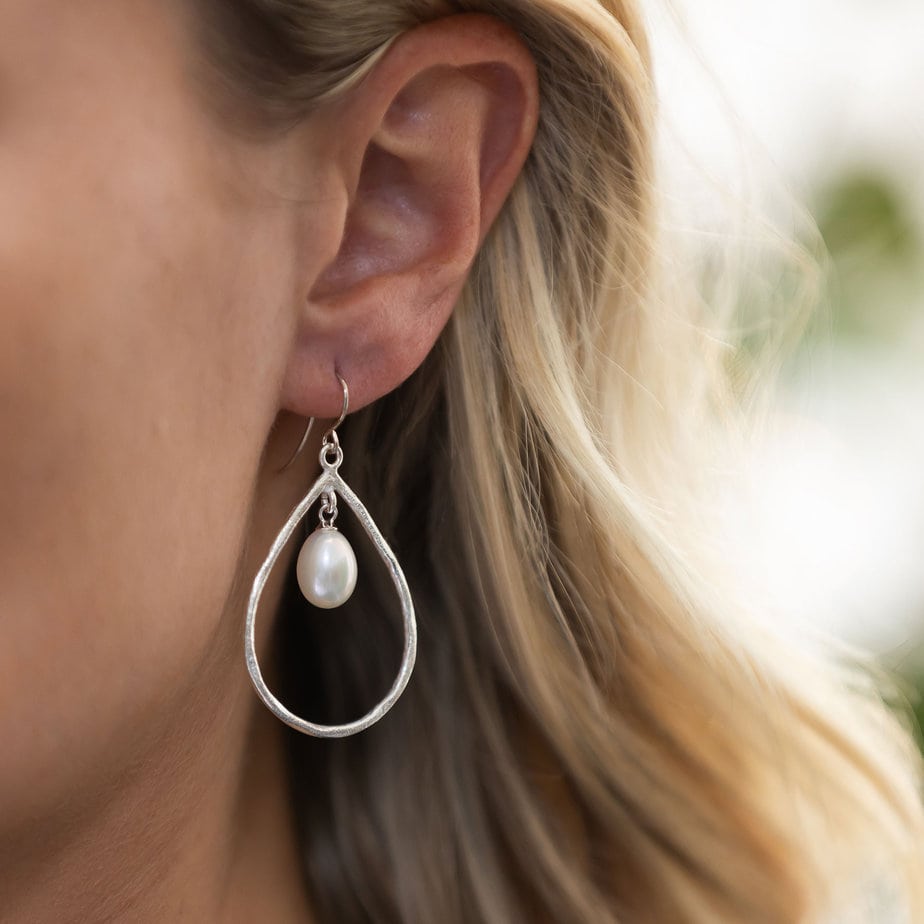
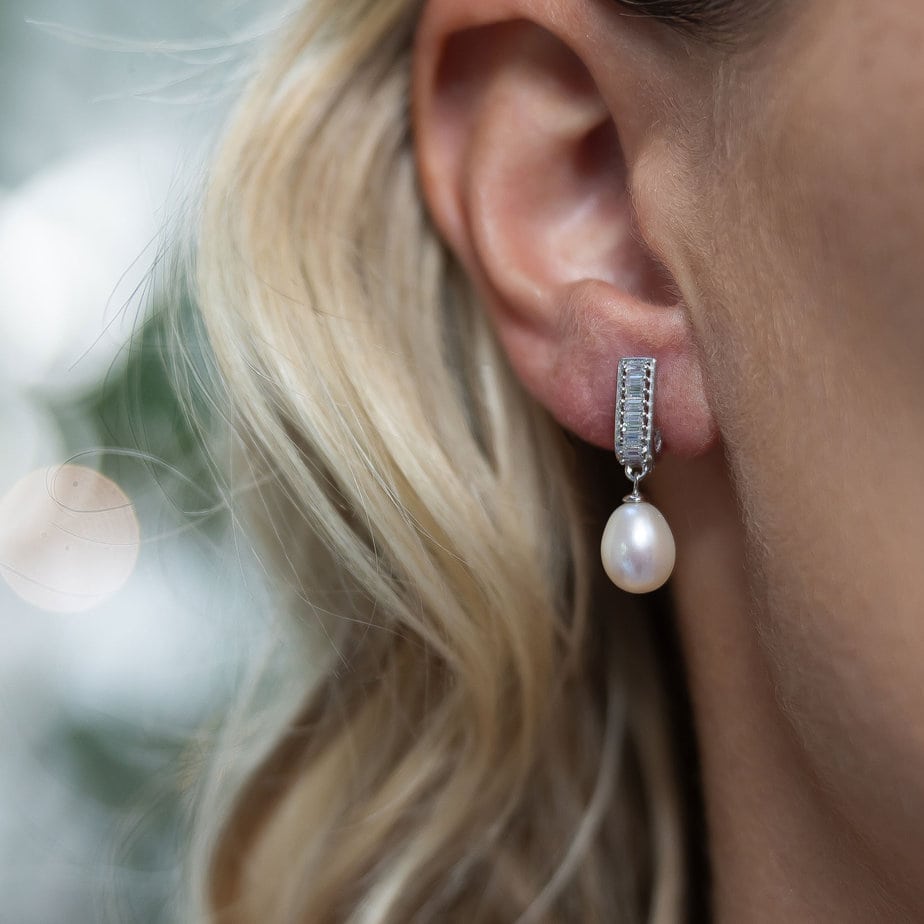
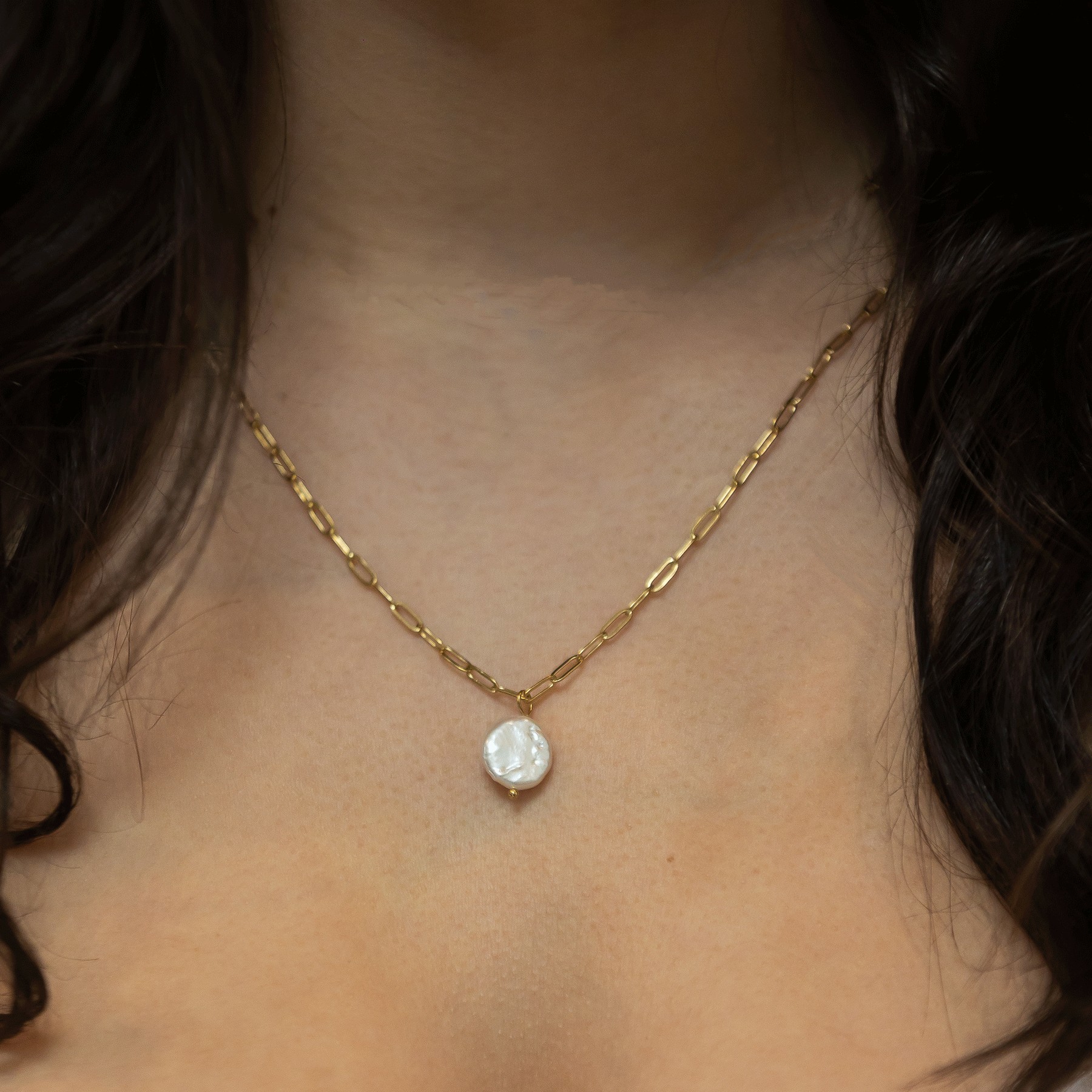
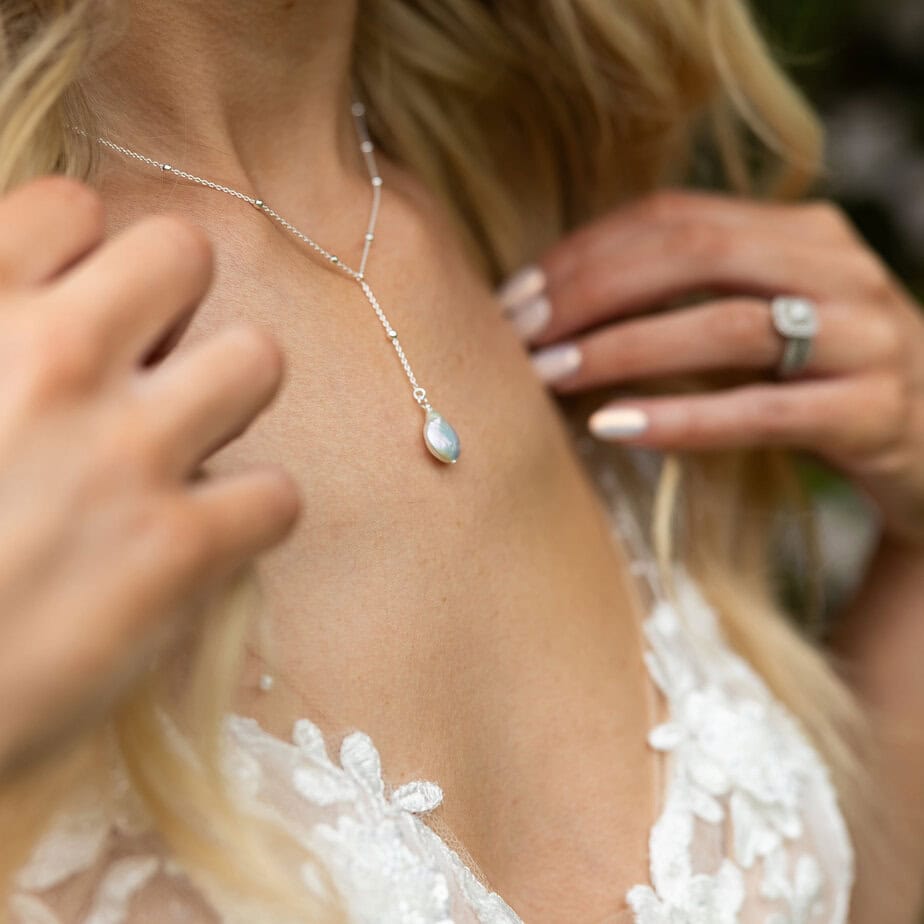
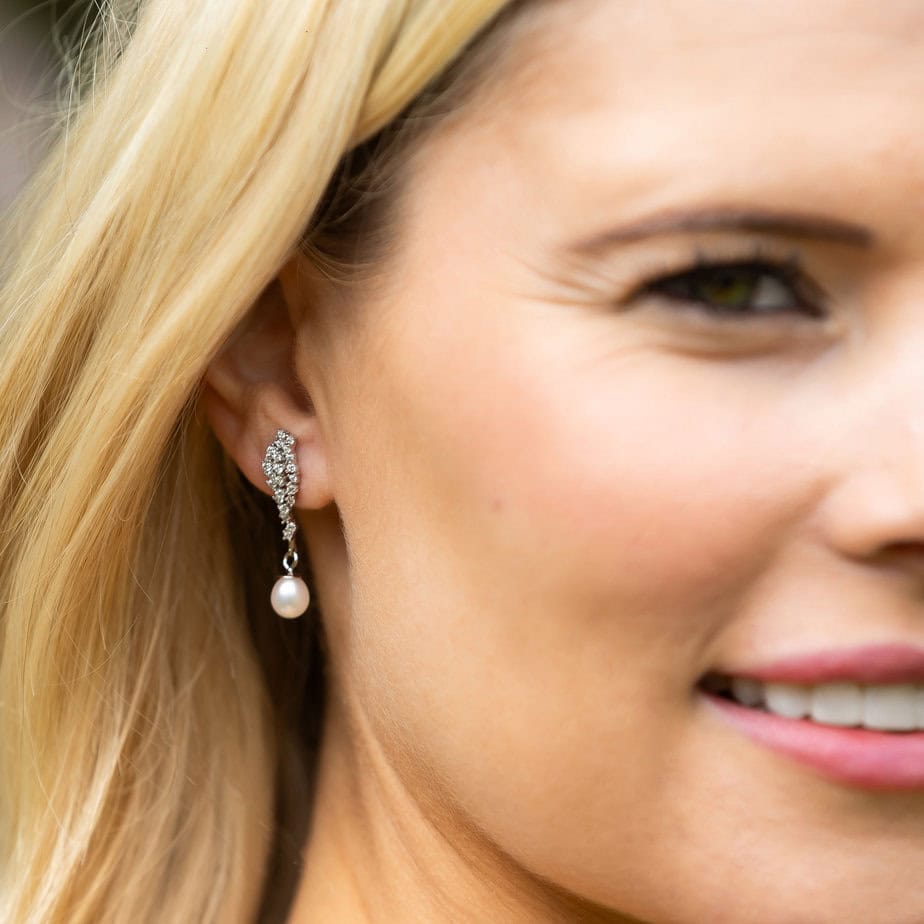
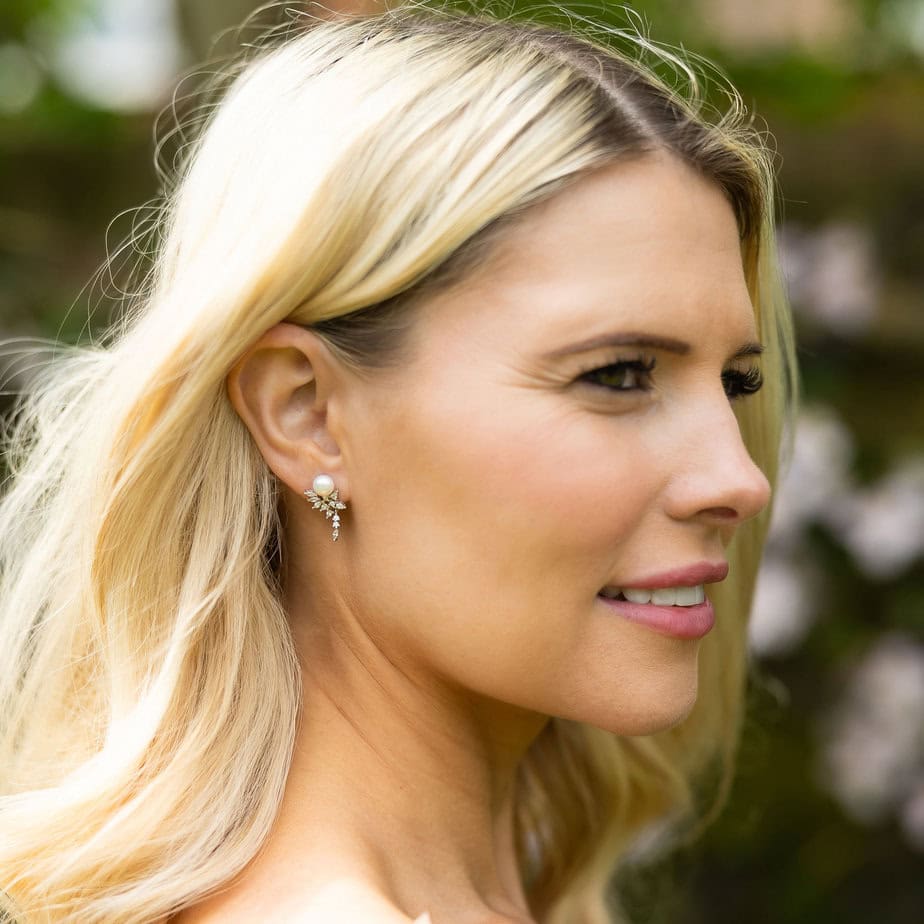
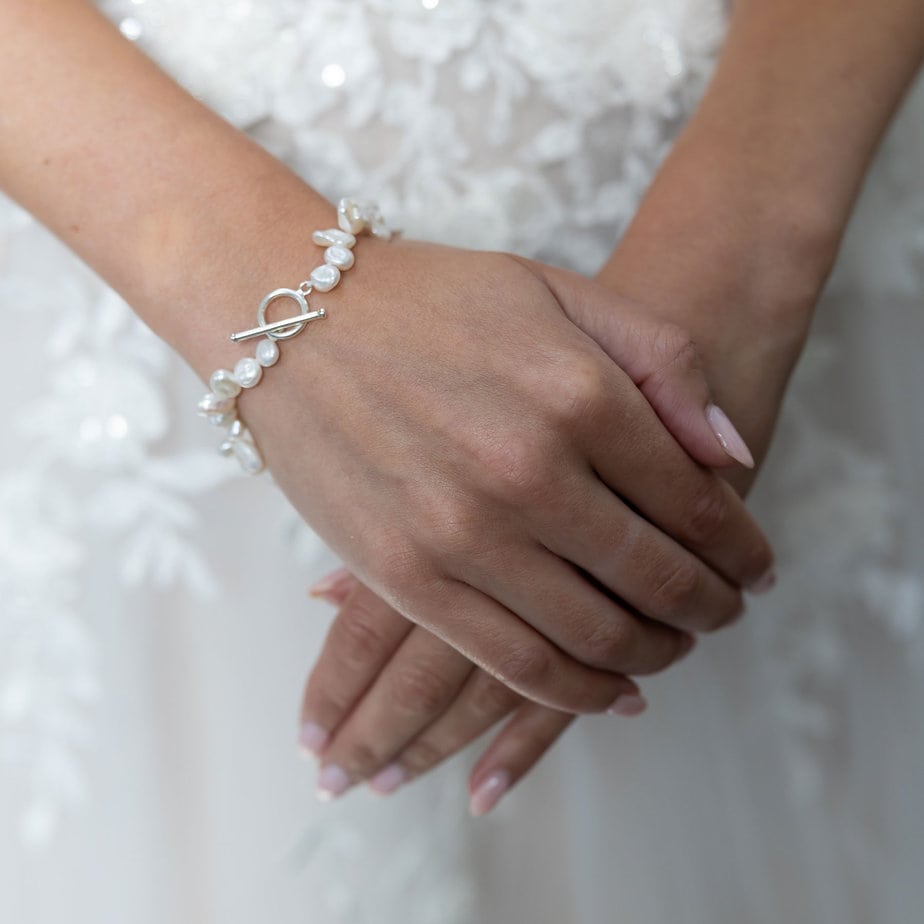
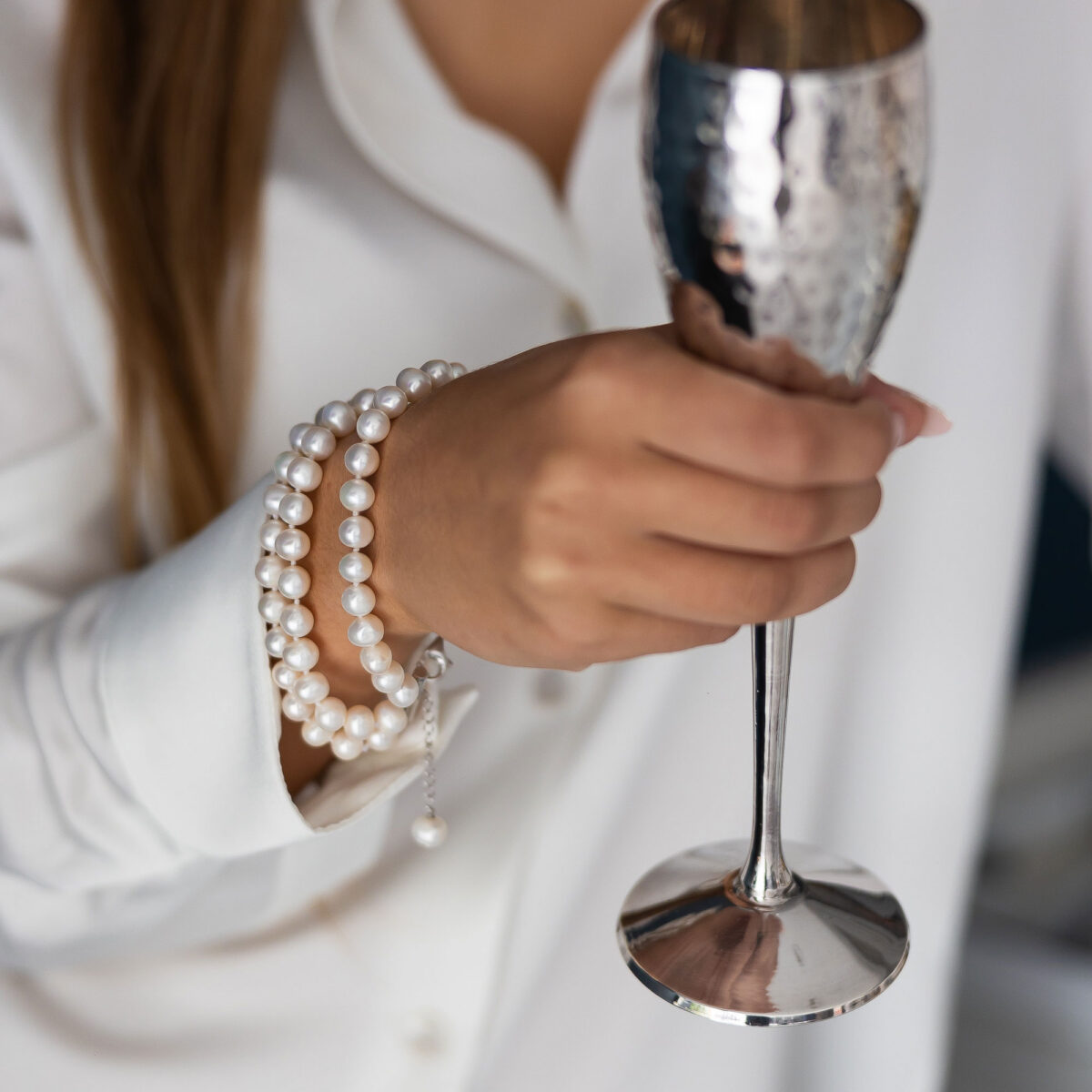
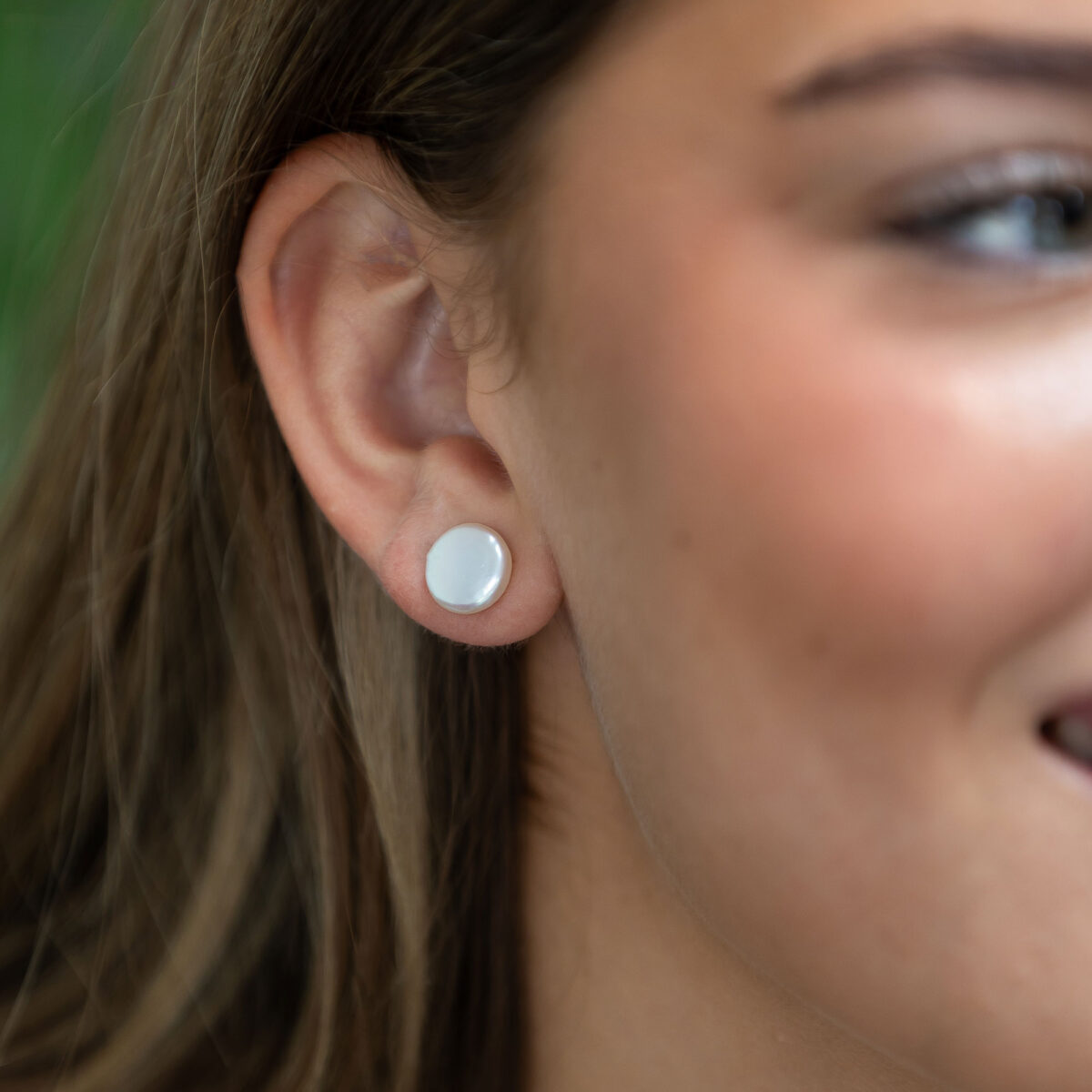
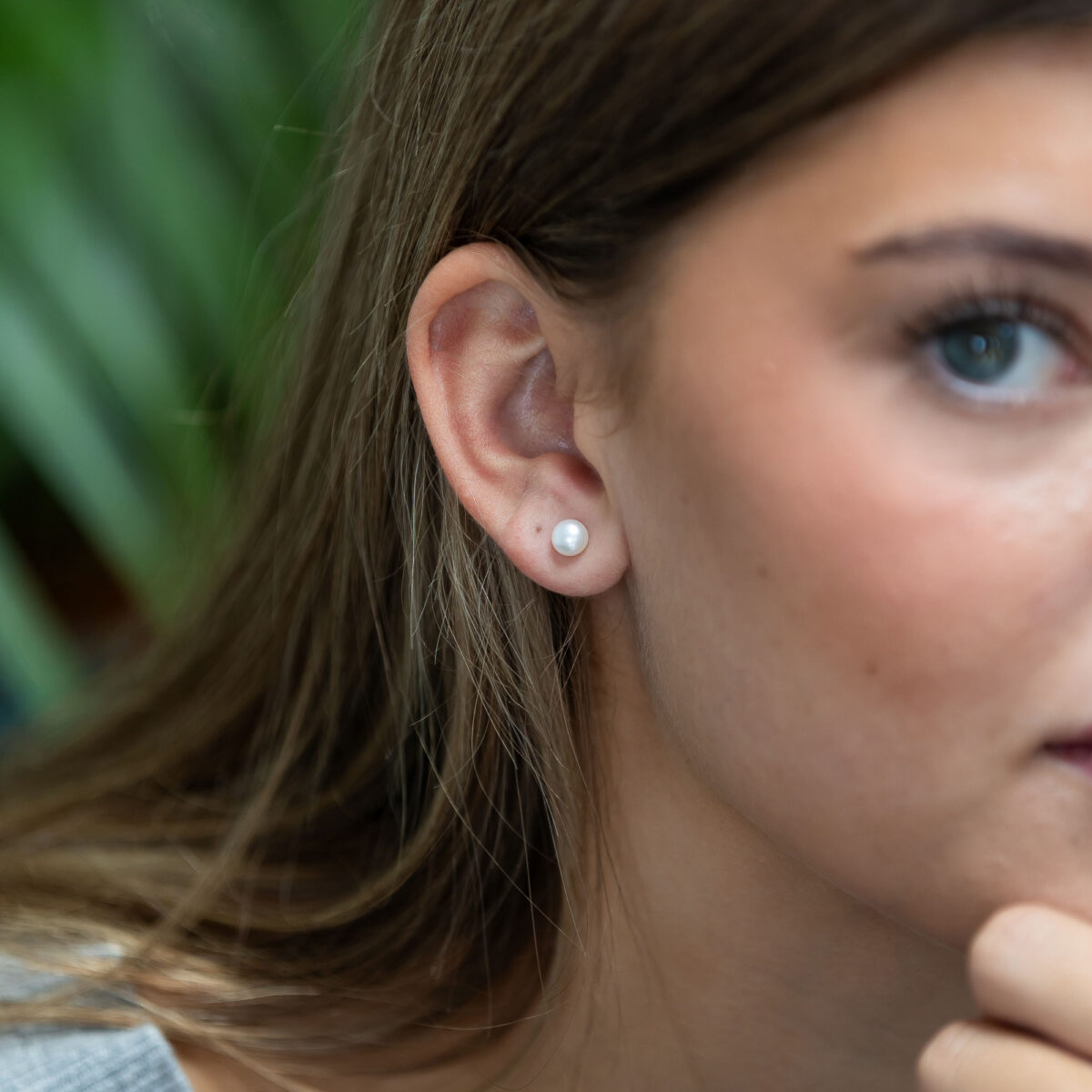
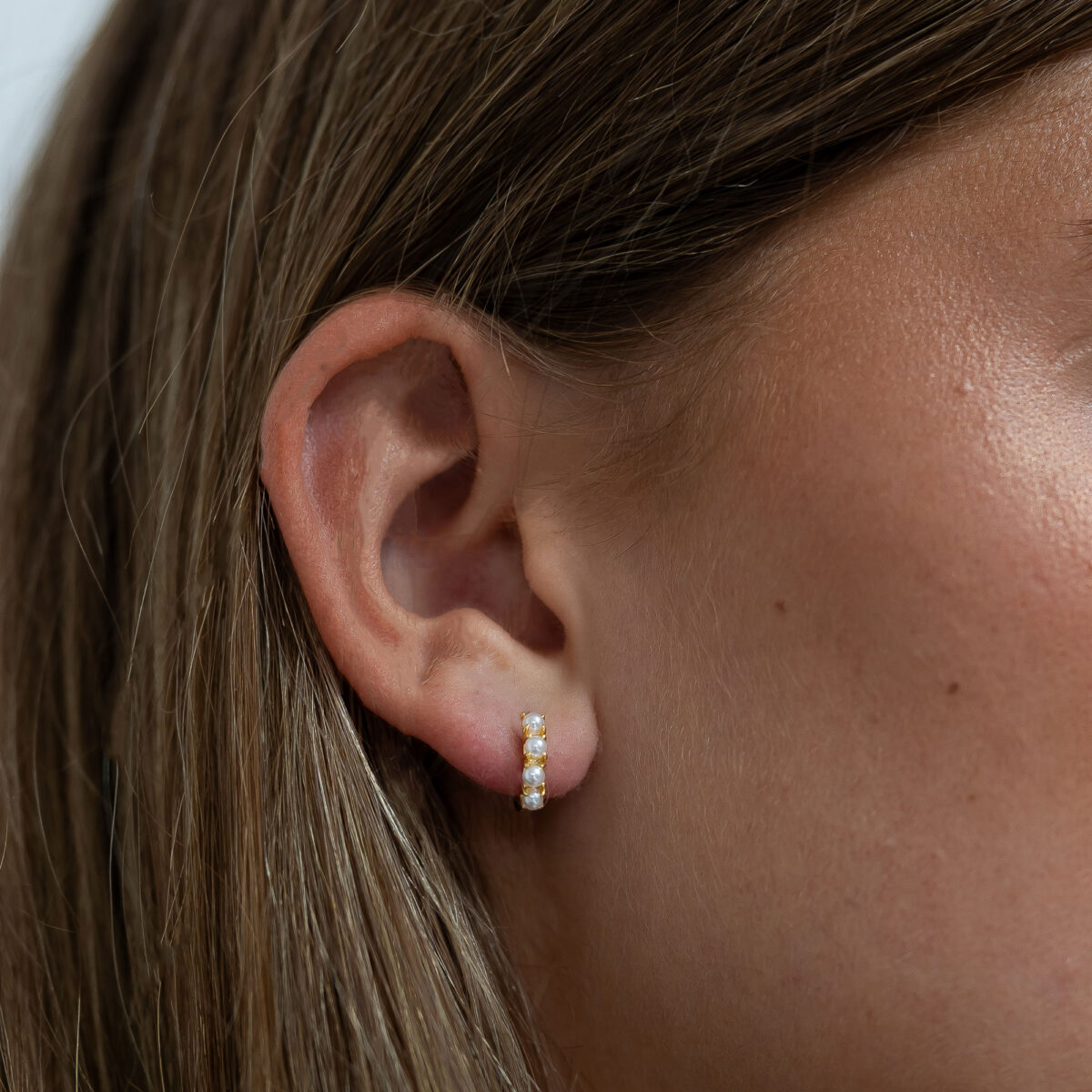
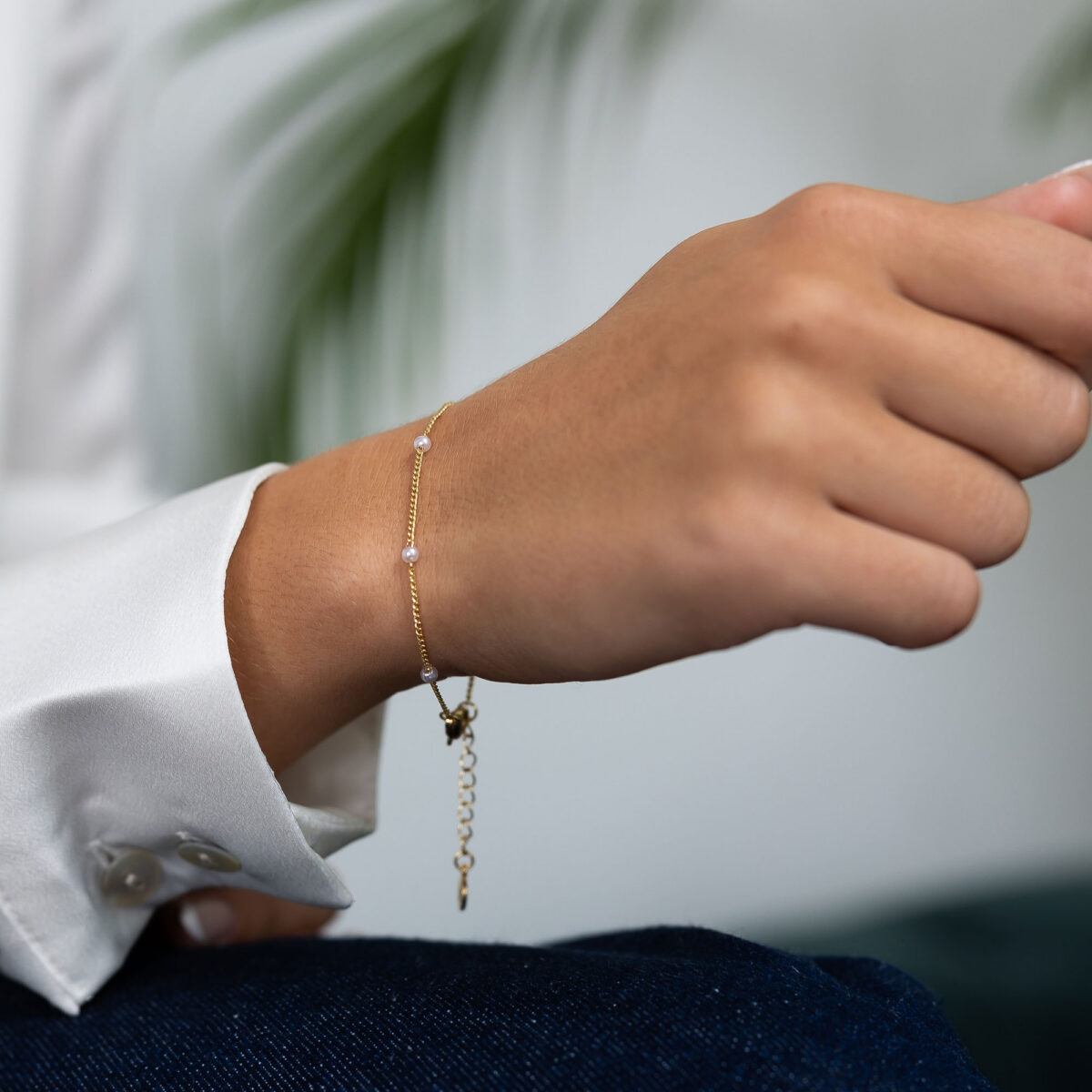
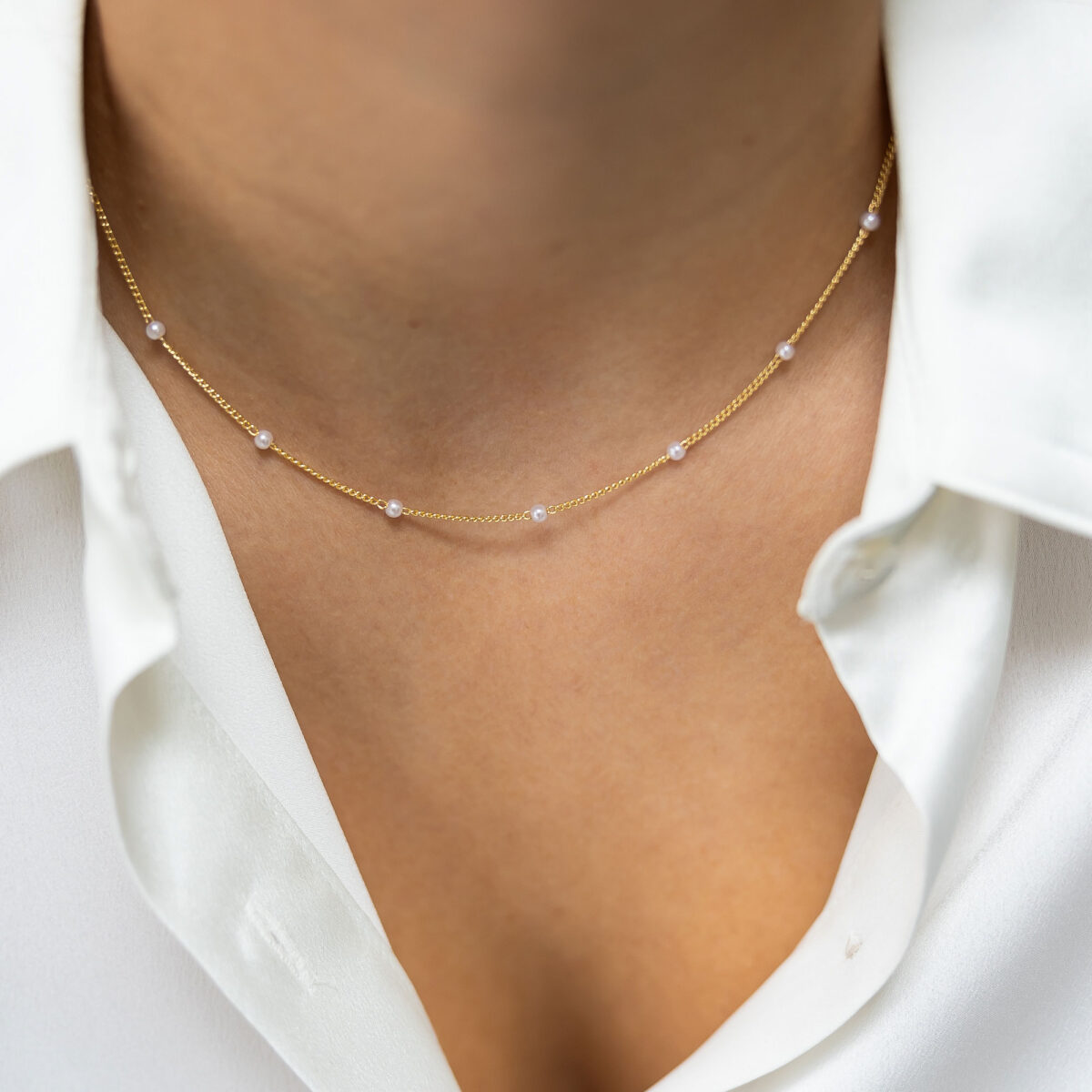
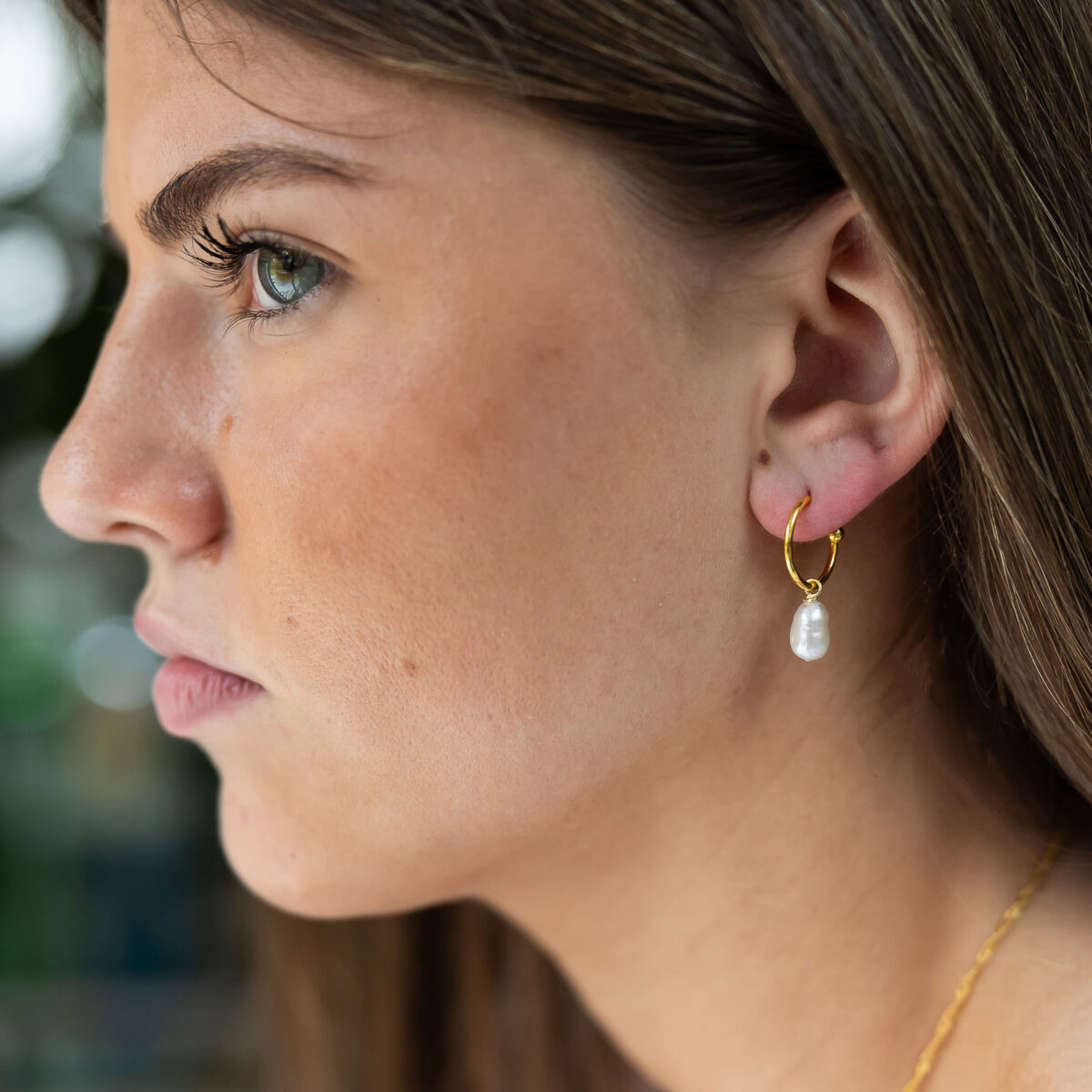
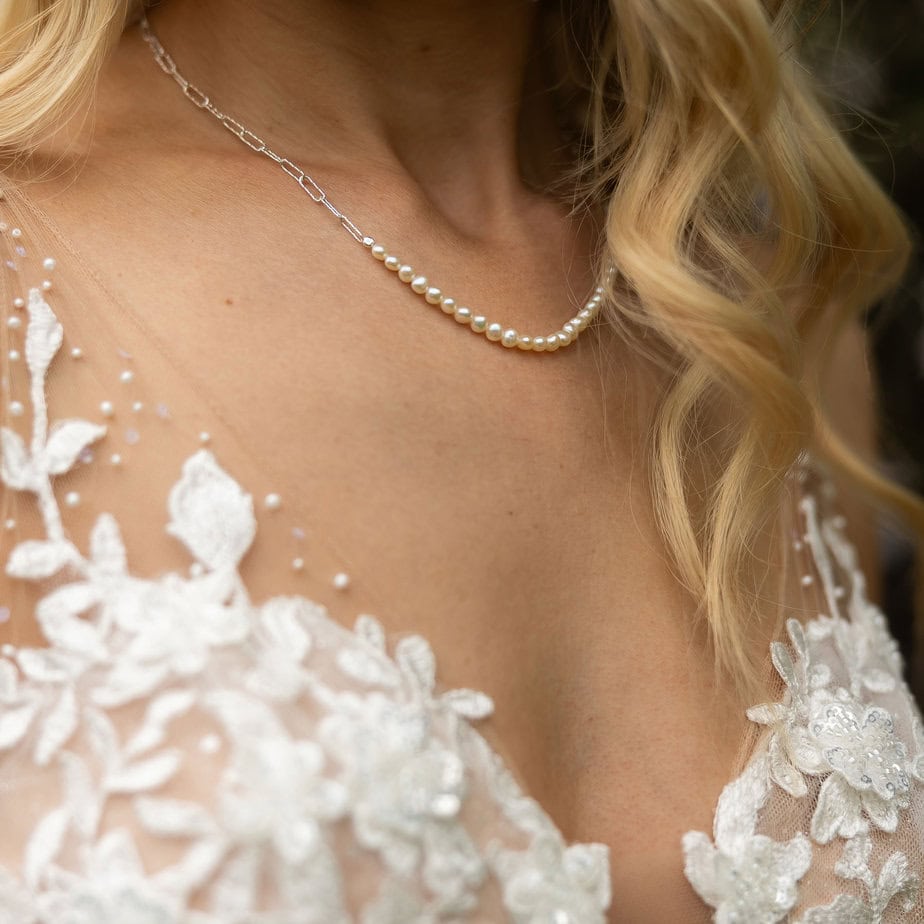
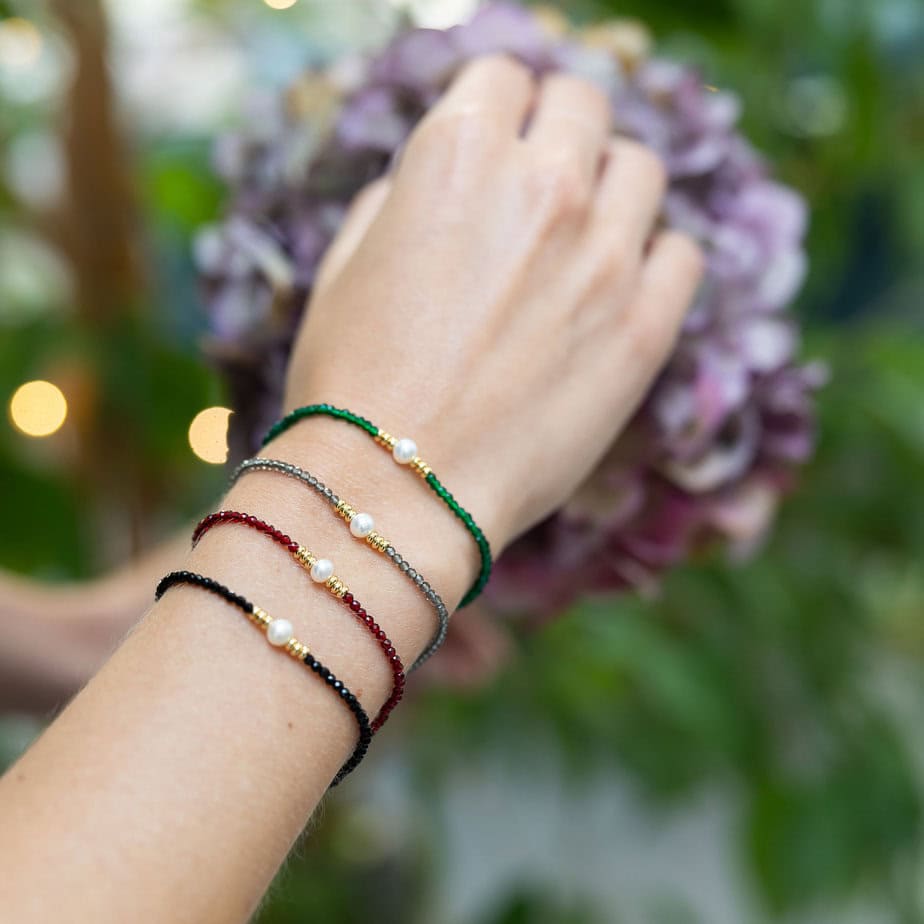
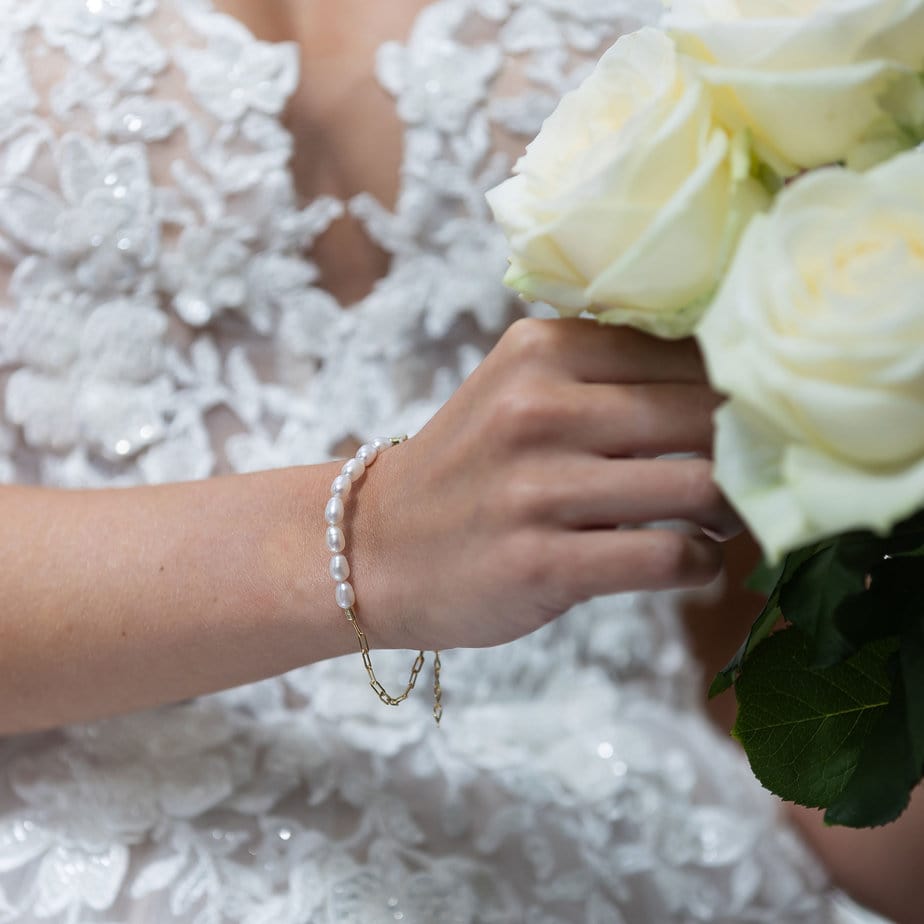
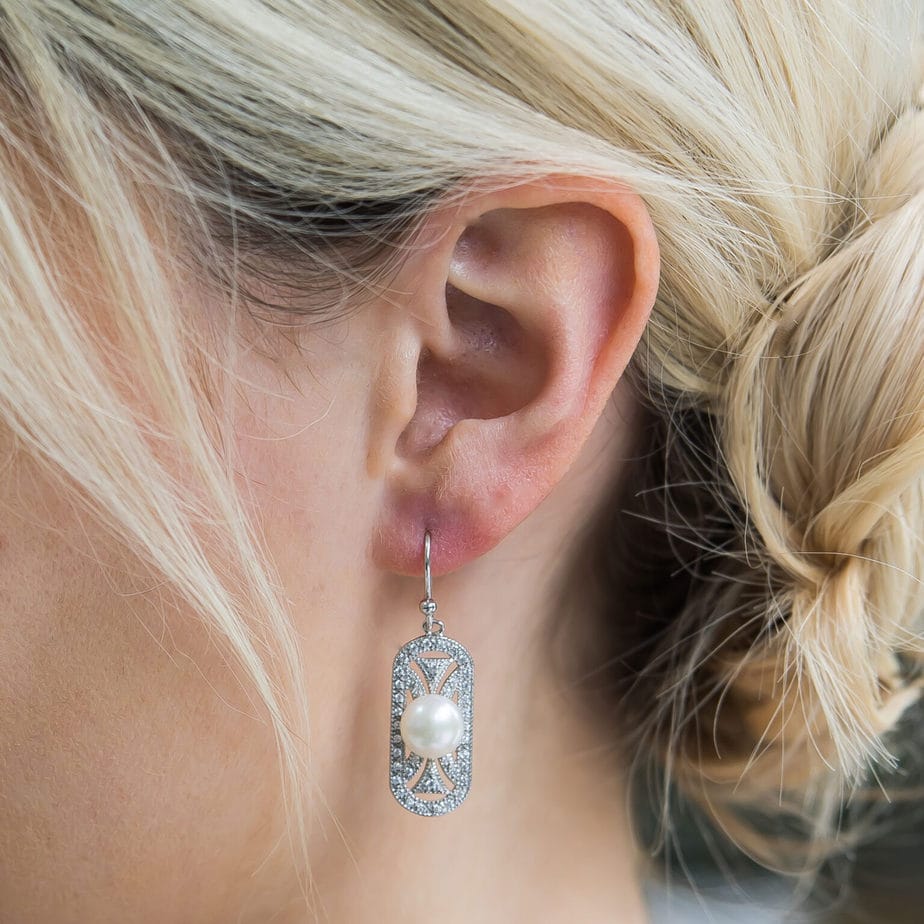
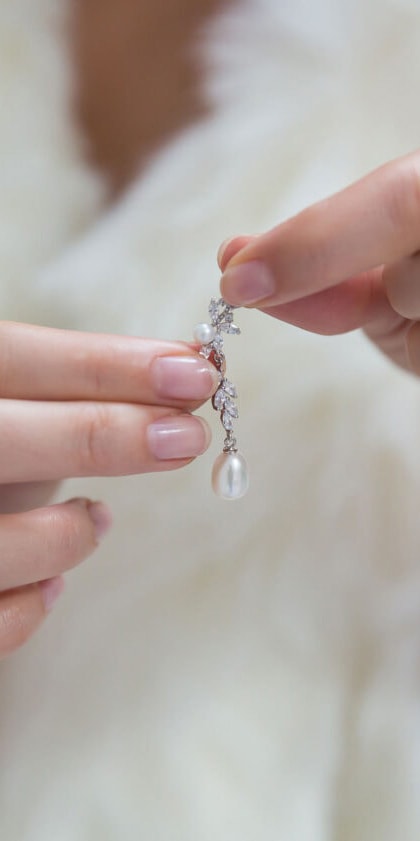
“The pearl is the queen of gems and the gem of queens” Grace Kelly.
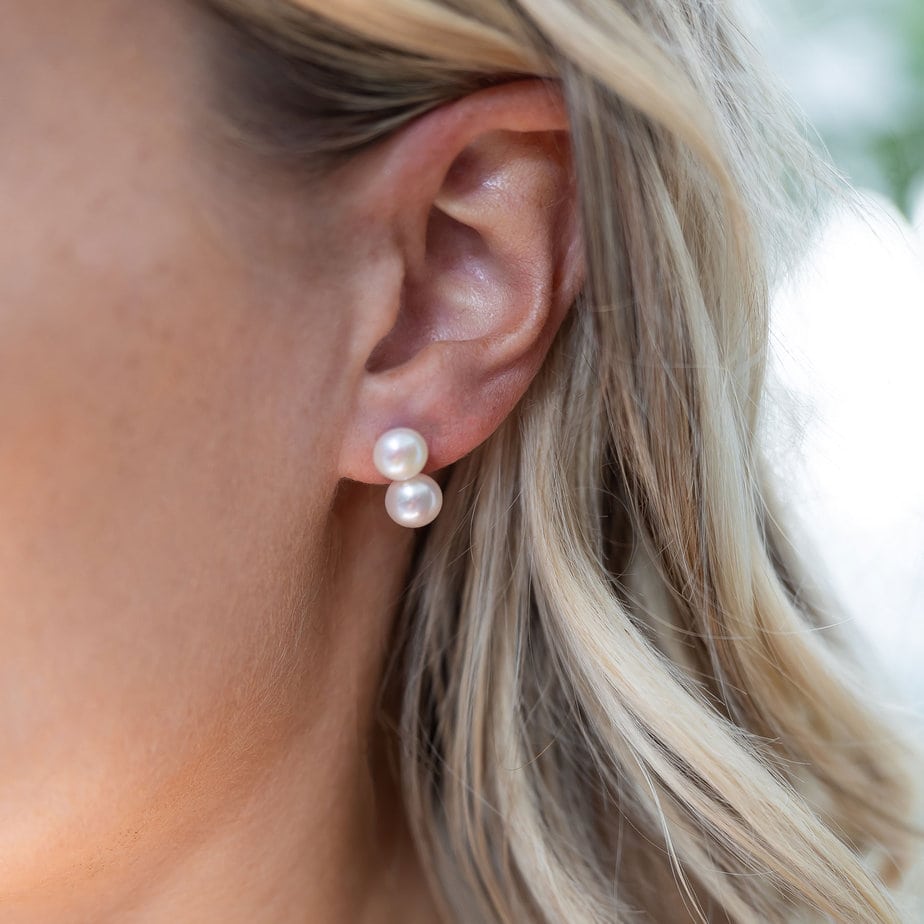
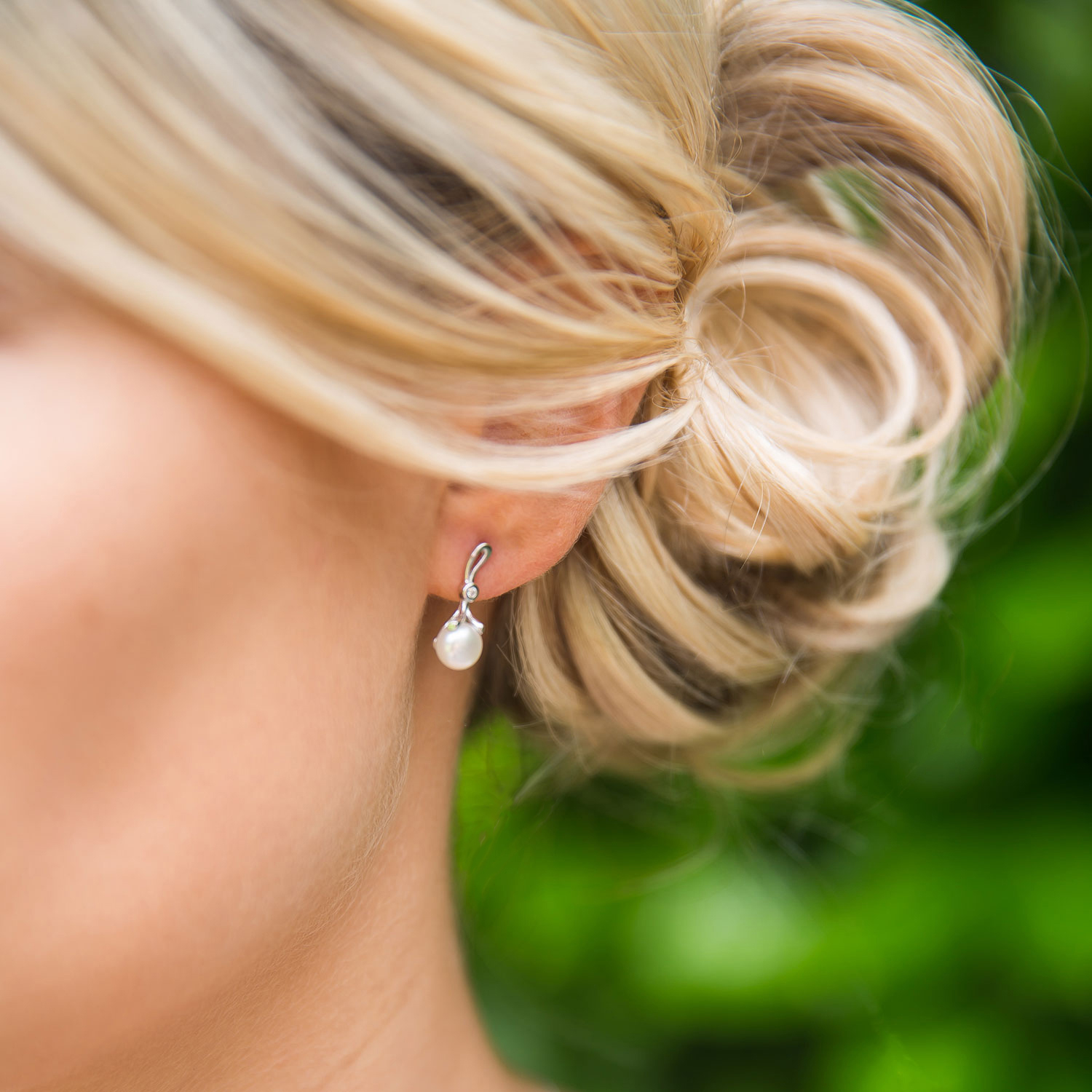
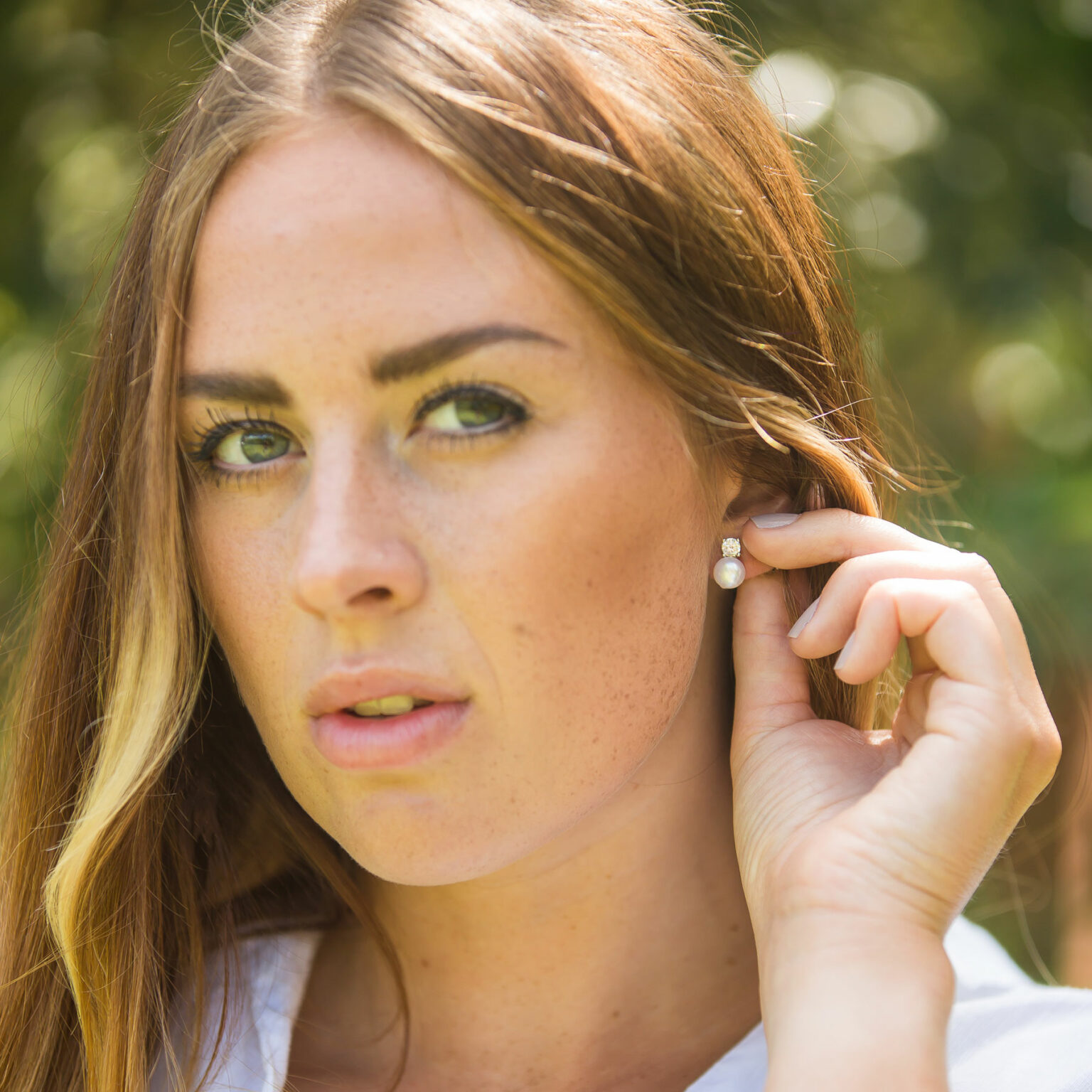
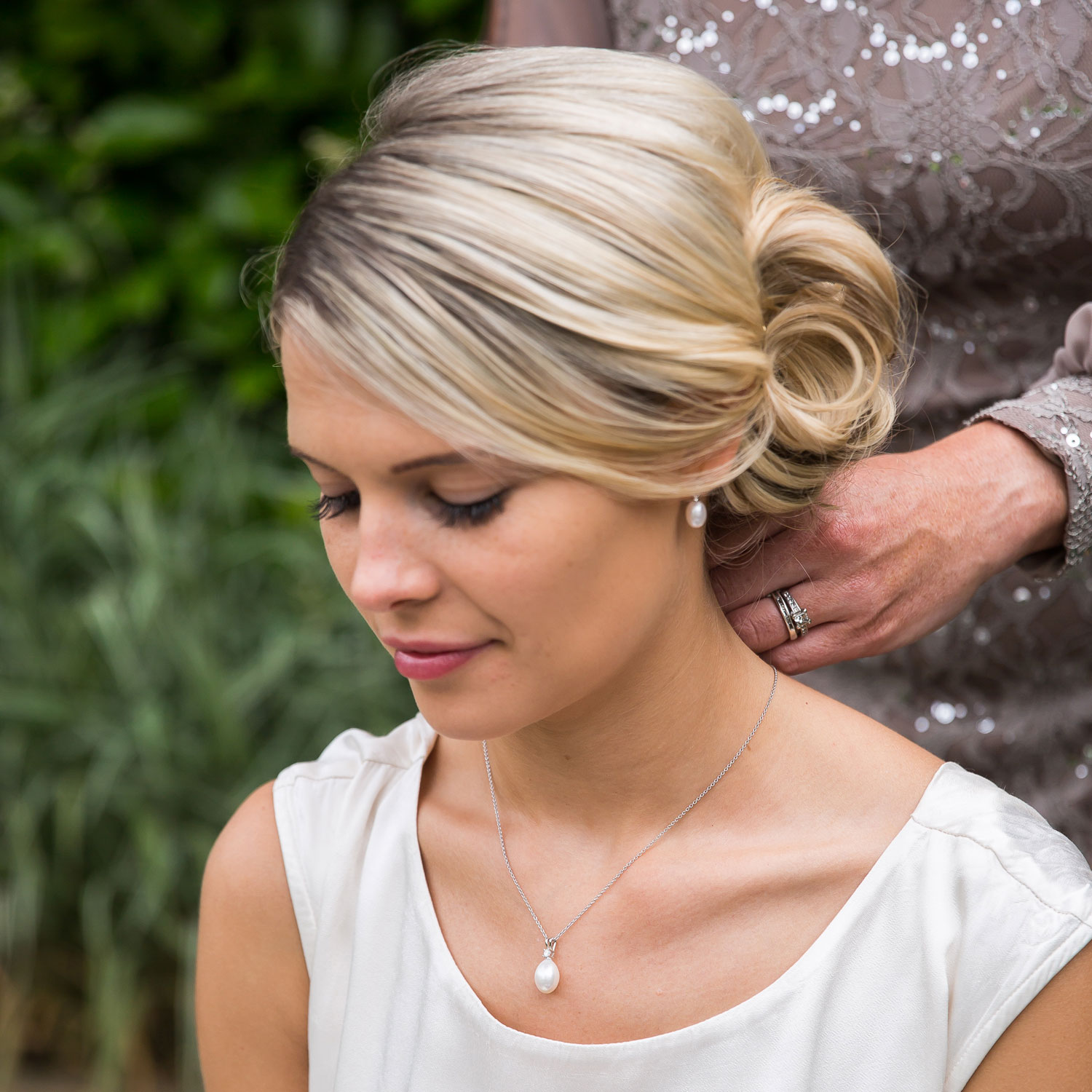
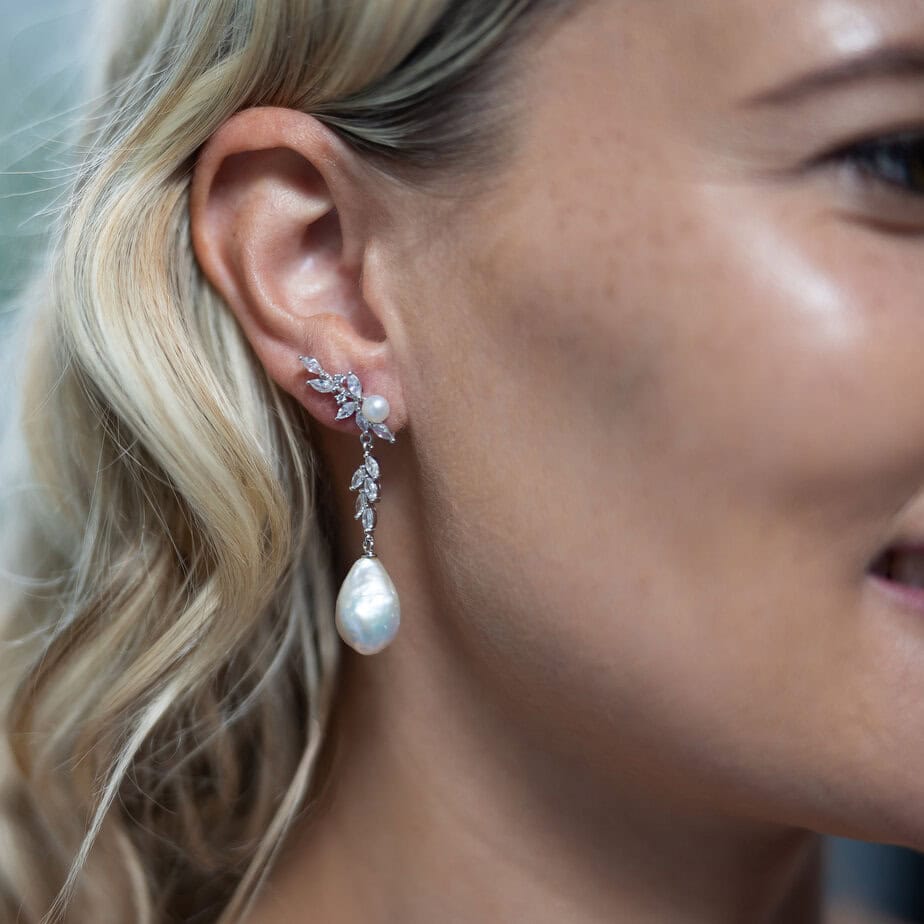
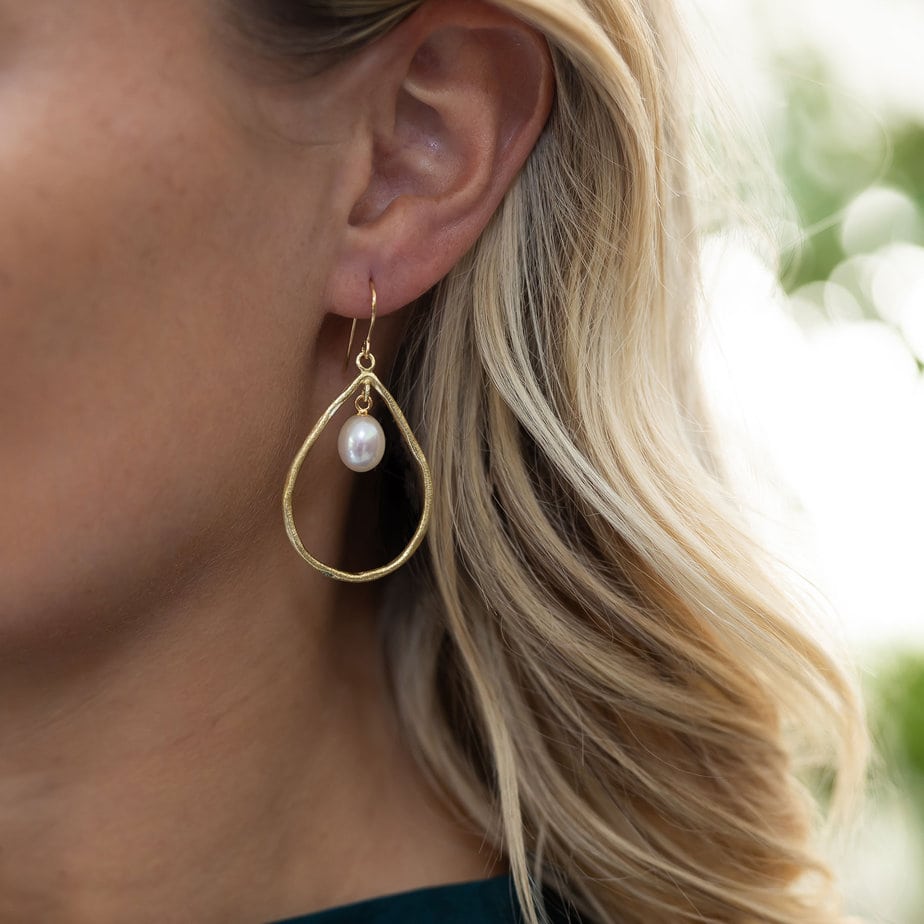
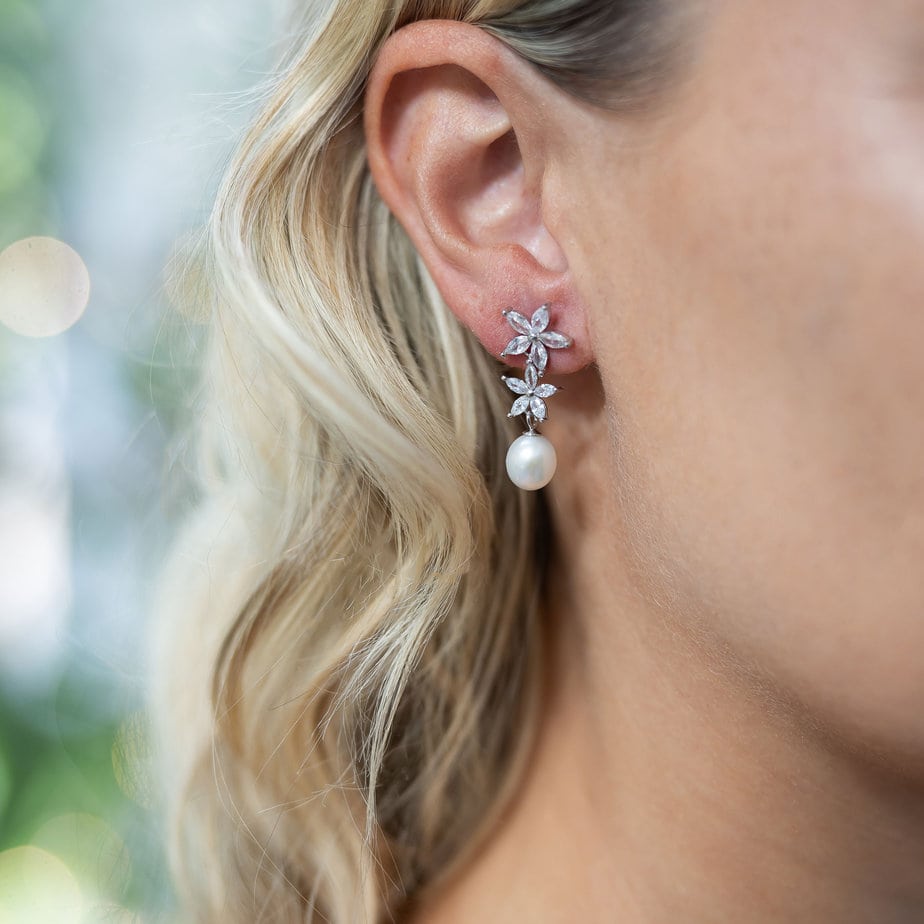
Softly luminous and effortlessly elegant, pearls have been treasured for centuries. As one of the June birthstones, pearl jewellery makes a thoughtful and timeless gift, perfect for celebrating birthdays, anniversaries and special occasions.
Pearls are unique among gemstones, formed within living organisms rather than mined from the earth. Known for their soft lustre and natural elegance, they have been treasured for centuries for their timeless beauty.
As one of the June birthstones, pearl jewellery is often associated with purity, wisdom and emotional balance. Their understated style makes them a versatile and meaningful choice, whether worn every day or chosen for special occasions.
“A woman needs ropes and ropes of pearls,” Coco Chanel.
From Audrey Hepburn to Jackie Kennedy Onassis, pearls have long been linked to effortless grace and refined style. Their enduring appeal lies in their simplicity – classic, elegant and always relevant.
Durability and care
Pearls are delicate gemstones, ranking at 2.5 on the Mohs hardness scale. This means they can scratch easily and should be stored separately from harder jewellery.
To care for your pearl jewellery:
– Keep pearls in a soft cloth pouch
– Avoid direct contact with perfume or cosmetics
– Gently wipe to maintain their lustre
Pearls as gifts
As well as being the birthstone for June, pearls are traditionally given to celebrate a third and 30th wedding anniversary. Their timeless elegance makes them a meaningful gift for life’s most precious moments.
The Pearl Story
One of the world’s oldest gemstones, pearls have been prized for thousands of years. They were gifted to Chinese royalty as early as 2300 BC and were considered a symbol of wealth and status in ancient Rome.
In Greek mythology, pearls were believed to be the tears of Aphrodite, and in many cultures they symbolised purity, love and wisdom.
In more recent history, Pierre Cartier famously acquired Morton Plant’s mansion on Fifth Avenue in exchange for a double strand of natural South Sea pearls. At the time, the two strands were worth $1 million.
In the late 19th century, Kokichi Mikimoto revolutionised jewellery by creating the first cultured pearls, making them more widely accessible while preserving their natural beauty.
Today, most pearls are cultured, while natural pearls are among the rarest of gems. Their rarity is reflected in their value – in 2011, Christie’s New York auctioned Elizabeth Taylor’s famous La Peregrina 16th century pearl necklace for US$11.8 million.
What is pearl and where is it found?
Unlike other gemstones, pearls are created by living organisms. They form inside certain molluscs when a tiny irritant (such as a piece of shell or parasite) becomes trapped, triggering the production of nacre. Layer by layer, this builds up over time to create a pearl – a process that can take several years. Cultured pearls follow the same natural process, with the only difference being that the initial irritant is carefully introduced.
Where do pearls come from?
Pearls can be found in both freshwater and saltwater environments and their origin influences their look and value.
– Freshwater pearls – mainly cultivated in China’s lakes and rivers, known for their variety and affordability
– Akoya pearls – classic saltwater pearls from Japan, often perfectly round
– Tahitian pearls – darker tones such as grey, green and peacock hues, often referred to as black pearls
– South Sea pearls – the largest pearls, in white, cream or golden tones with sizes ranging from 9mm to 20mm.
Shapes and rarity
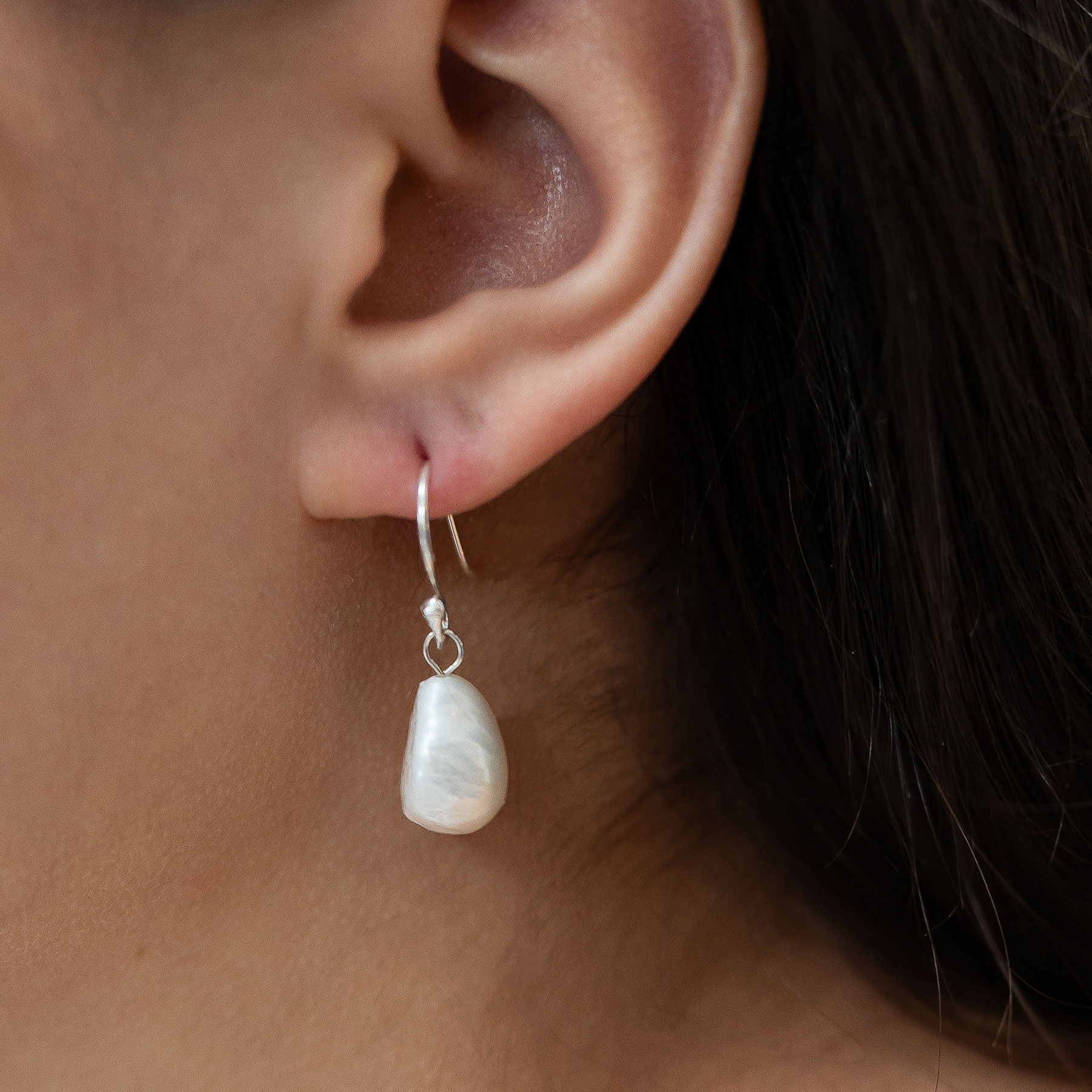
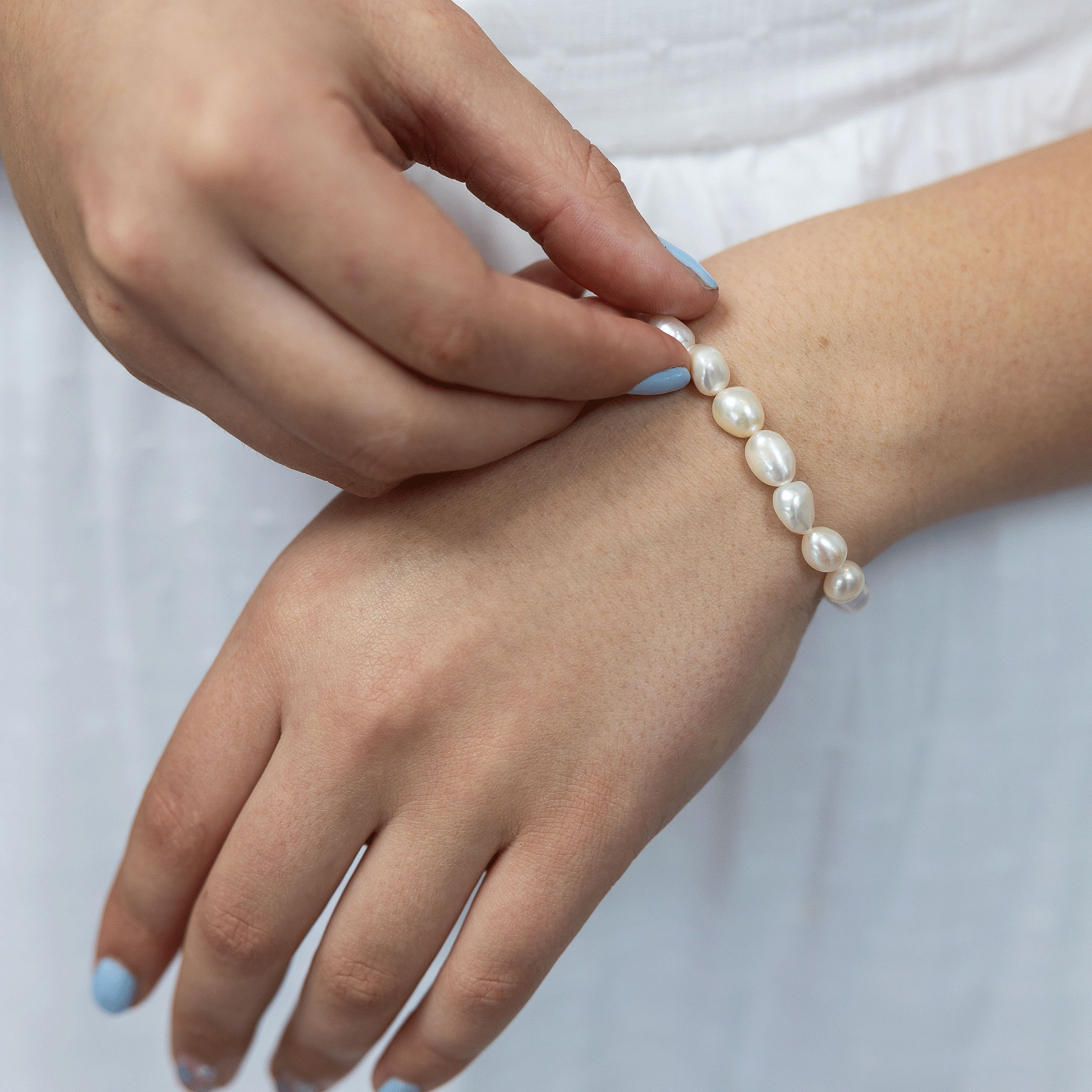
– Baroque pearls – irregular shapes, often used in contemporary jewellery.
– Natural pearls – extremely rare and formed without human intervention
– Conch and abalone pearls – among the rarest, with exceptional value
A note on authenticity
A simple way to tell if a pearl is real is by gently rubbing it against your teeth. Real pearls feel slightly textured, while imitation pearls feel perfectly smooth.